

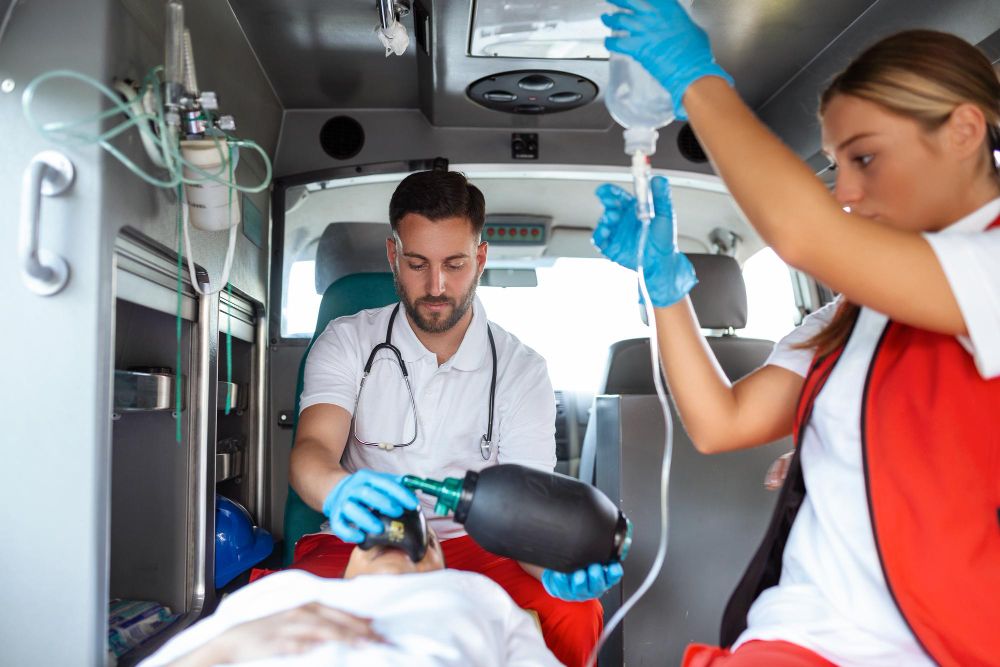
Cardiac Arrest
Dr. Ramakrishna Pillai V
KIMSHEALTH Trivandrum
Cardiology,Cardiac Sciences
Cardiac Arrest
Cardiac arrest is a condition in which the heart suddenly stops beating. It is different from a heart attack, which occurs when the blood supply to the heart is blocked. Whereas, in cardiac arrest, the heart stops functioning abruptly and the electrical function of the heart malfunctions. As a result, it does not pump the blood forward to the brain, lungs, and other organs. Without treatment, a patient may die within minutes.
The heartbeat may become irregular or stop entirely during cardiac arrest, a condition known as arrhythmia. The most common form of arrhythmia that occurs in cardiac arrest is ventricular fibrillation (VF). This condition needs immediate attention since the brain needs oxygenated blood to function. Under such circumstances, it cannot survive more than a few minutes without it, resulting either in permanent damage to part(s) of the brain or death. Cardiac arrest can occur at any time, but individuals with underlying pre-existing heart disorders are at risk of such incidences.
Causes of cardiac arrest
Cardiac arrest has numerous causes, and knowledge of these causes is very essential in both prevention and treatment.
CAD: This is a condition where the heart's arteries get narrowed or blocked, which in most cases leads the victim to suffer a heart attack, has been found to be a very common cause of cardiac arrest.
Myocardial infarction or heart attack: When the heart muscle is severely destroyed, cardiac arrest is caused by a severe heart attack. The critical interruption of blood flow will result in arrhythmia and could eventually become cardiac arrest.
Arrhythmias: Rhythm disorders of the heart, ventricular fibrillation, and ventricular tachycardia are typically a direct trigger for the cause of cardiac arrest. In such disorders, the electrical system of the heart fails to work properly, including rapid and abnormal rhythms.
Cardiomyopathy: This disease involves the thickening and enlargement of the heart's muscles, which leads to obstructions in the functioning of the pumping of the heart. Cardiomyopathy predisposes to arrhythmias and cardiac arrest.
Congenital heart disease: Individuals born with heart disease are at risk of experiencing cardiac arrest due to the structural and electrical anomalies that cause disturbance in the heart.
Electrolyte imbalance: Critical levels of important electrolytes, for example, potassium and magnesium, affect the electrical functioning of the heart, often causing arrhythmias and culminating in cardiac arrest.
Drug overdose or poisoning: Drugs such as opioids and stimulants can also cause disastrous arrhythmias that eventually result in cardiac arrest.
Extreme physical injury or gross bleeding: At times, extreme trauma or gross haemorrhage could cause the heart to stop and not pump blood within the normal rhythm, thereby causing cardiac arrest.
Cardiac arrest symptoms
Cardiac arrest usually arises without warning. Though often unremarkable, sometimes some symptoms may occur beforehand:
- Sudden collapse
- There is no pulse
- Chest pain
- Dizziness or lightheadedness
- Palpitations
Diagnosis of cardiac arrest
The diagnosis of cardiac arrest is fundamentally clinical. Thus, it's upon physical symptoms and lack of a heartbeat with breathing. However, the following tools can confirm the diagnosis:
- Electrocardiogram (ECG)
- Echocardiogram
- Coronary angiography
Treatment of cardiac arrest
Cardiac arrest treatment should start immediately. For every passing minute, the chances of survival continue to dwindle. The following are important components in the management of cardiac arrest:
CPR: CPR is the first procedure and also the foremost one. Compressions on the chest are what keep the blood circulating into the brain and other parts as further medical attention is administered.
Defibrillation: Defibrillation uses an AED, for instance, to shock the heart back to normal rhythm using electricity. Early defibrillation has greatly increased the chances of survival.
ACLS: Emergency doctors can facilitate administering drugs, by intubating the patient to secure their airway and by appropriately re-initiating defibrillation when they arrive.
Post-cardiac arrest care: If circulation is restored, the patient may be placed on ICU-level care, including cooling therapy, or therapeutic hypothermia to protect the brain and any interventions he/she may require to address the cause of the event.
Related Blogs


Ten Effective Remedies That You Can Refer to When You Are Suffering from Muscle Cramps
Finally starting off with the gym life can get too overwhelming until you hit those muscle cramps along with the weights.

Skin Tags - Benign Tumor or Cancerous Tumor?
Skin tag if observed is a narrow stalk that hangs about your skin, bulging at the end. They are usually freshly colored and can grow anywhere on your body.
Laryngeal Reiinervation Procedure at KIMS Hospital
Mr. K.P 56-year-old business executive from Bangalore underwent a thyroid surgery two years back.
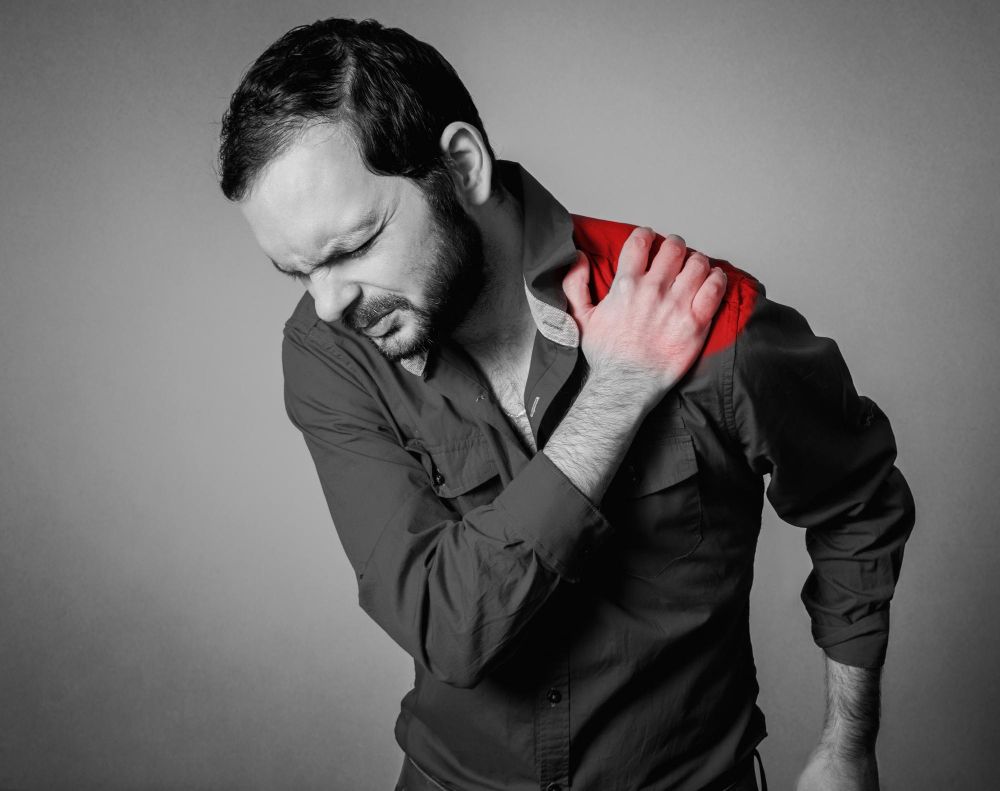
Rotator Cuff Tear
A rotator cuff tear is a rotator cuff injury that can cause shoulder pain and loss of arm function. The rotator cuff is a set of muscles and tendons in your shoulder.

4 Not So Common Health Problems in Teenagers
The current generation of teenagers have far more access to technology and gadgets than their parents did.

Become an Expert at Pain Management with These Seven Techniques
Pain is a very common condition, it can be acute and chronic. It is a pathologically complex condition. Pain can be caused by injuries, surgery or diseases such as cancer, arthritis, obesity.
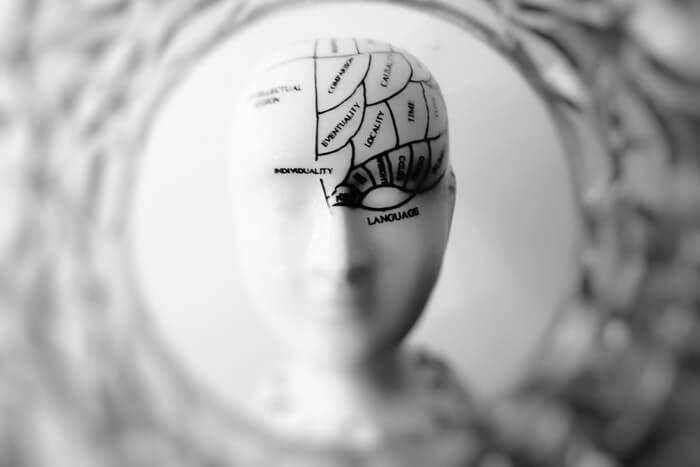
Can You Increase Your Brain Capacity?
Did you know that you can ‘upgrade’ your brain? Your intellectual and creative potentials are not set in stone nor do they depend solely on your genetics.

Taking Care of a Terminal Patient? Here Are Six Ways to Help Them to the Fullest
A terminally ill patient is someone who has a relatively short life expectancy. Terminally ill people are usually shifted from an actively curative medicinal regime

Stages of Tooth Decay and Their Treatment Options
Tooth decay refers to the degradation process of the structure of the tooth resulting in permanent damage.

12 Home Remedies for Dry Cough
The flu, common cold, asthma, cigarette smoke exposure, and other conditions can all cause a dry cough. Home remedies such as honey, peppermint, and air purifiers may be beneficial.
Shoulder Dislocation
Shoulder dislocation occurs when the bones of your shoulder joint are pushed or forced out of their normal positions.

5 Facts to Keep in Mind for Your Monthly Menstruation Cycle
Our menstruation indicates multiple activities within your body. Every month, your uterus forms a thicker lining for the ovary to release an egg for a possible pregnancy.
Different Types of Diabetes
Junk food and increasing physical activity are leading to a worldwide epidemic of obesity, resulting in diseases like diabetes
Dilated Cardiomyopathy
Dilated cardiomyopathy is a form of heart muscle illness in which the heart chambers (ventricles) weaken and stretch, becoming bigger.
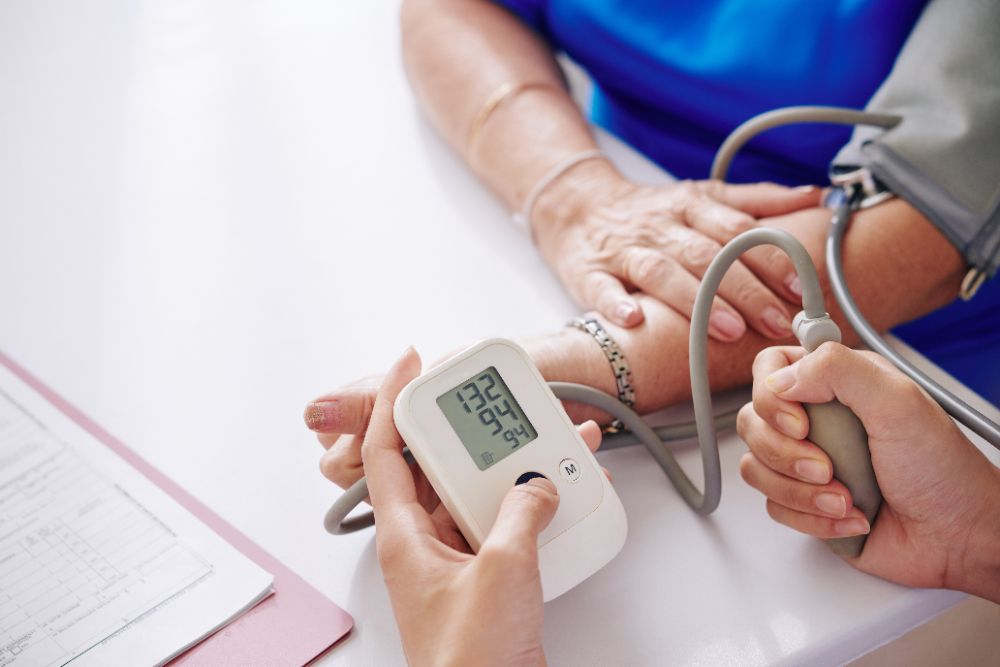
Hypertension (High Blood Pressure)
High blood pressure, also known as hypertension, is a condition in which the blood flow against the inner walls of the arteries is persistently high.

3 Cosmetic Dentistry Procedures You Did Not Know About
Over the past few years, cosmetic dentistry has undergone significant evolution in society. With the increasing demand for cosmetic dentistry, it is no longer a luxury; it has become a necessity.

5 Lifestyle Changes That Will Help with Your Urinary Incontinence
Urinary Incontinence is quite a painful and embarrassing condition to have. It refers to the loss of bladder control, which can vary from a slight release of urine after sneezing, coughing, or laughing, to a complete inability to control urination.
5 Tips This Summer to Avoid Heatstroke
Certain jobs demand fieldwork in the scorching heat. The warm weather, bright sun, and the blue skies are not always an excellent working environment for them at all.

6 Home Remedies for Yeast and Vaginal Infections
Yeast infection is common among women. You might have had the experience of irritating soreness and itching that prolonged for days due to not knowing about the cause.

Aortic Dissection
An aortic dissection is a tear in the aorta. This is the primary artery that transports oxygen-rich blood from your heart to the rest of your body.

Bariatric Surgery and Weight Loss
Bariatric surgery, also known as weight loss surgery, is performed on individuals suffering from obesity. It involves a variety of procedures that help maintain long-term weight loss and also aid in treating obesity.

Best Foods to Cleanse Your Liver
Your liver is one of the largest organs in your body and its primary function is to filter the system by converting toxins to waste products, cleansing your blood and process various nutrients.

Infertility and its Major Causes and Treatments
Infertility is an issue that’s on the rise – not just in India but all over the world. It’s estimated that, on average, one out of every six couples has had issues with infertility.
Precautions to be Taken to Avoid Eosinophilia
Let’s begin with talking about eosinophils – they are just a type of white blood cells that are laden with reactive chemicals which get released under specific conditions to cause mayhem in the body
What is BMD Assessment and its Significance in Treating Osteoporosis
Osteoporosis is that creepy monster lurking in the dark, waiting to manifest itself as you age and get less active.
Related Blogs
Ten Effective Remedies That You Can Refer to When You Are Suffering from Muscle Cramps
Finally starting off with the gym life can get too overwhelming until you hit those muscle cramps along with the weights.
Skin Tags - Benign Tumor or Cancerous Tumor?
Skin tag if observed is a narrow stalk that hangs about your skin, bulging at the end. They are usually freshly colored and can grow anywhere on your body.