

How is an Angiography Done?
Dr. Ramakrishna Pillai V
KIMSHEALTH Trivandrum
Cardiology,Cardiac Sciences
How is an Angiography Done?
Blood means life, and anything that restricts the flow of this life-sustaining fluid is bound to create varying degrees of tension in us. Doctors, however, have taken care of this problem too and created a procedure that can detect abnormalities in blood flow without any actual surgery.
Angiography, also known as arteriogram or angiogram is a day procedure that is used to evaluate various vascular conditions existing in the body and producing unclarified symptoms. Angiographies can be used to detect abnormalities in blood vessels including tears leading to internal bleeding, aneurysms leading to weaknesses in the walls of blood vessels or blocks leading to narrowing of blood vessels, to name a few.
Angiographies may also throw up the blood flow pattern of tumors as well as their spread, and guide the treatment regimen. The procedure can also be used to look for changes in blood vessels due to injury, ulcers or peripheral arterial disease. Coronary artery disease and the extent of atherosclerosis can also be determined with this procedure.
Angiography is an X-ray assisted procedure that employs the use of a special dye and fluoroscopic camera to take pictures of the blood flow patterns in the arteries and veins of the part of the body being studied. The procedure identifies abnormalities in the blood vessels and is the same regardless of which part of the body is being studied.
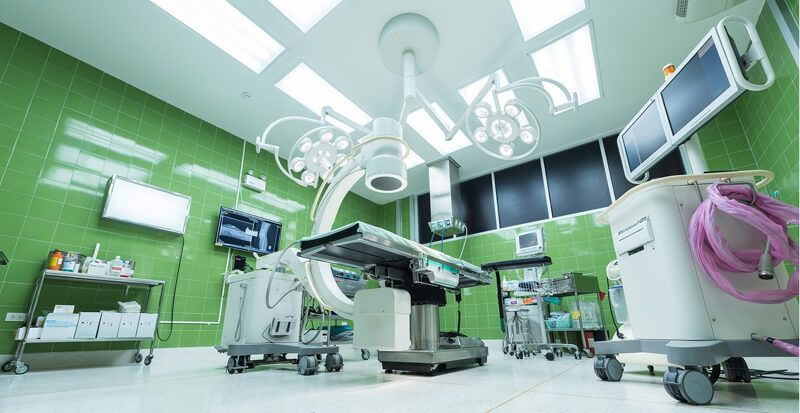
The patient is made to lie on an X-ray table and straps fixed across the chest and legs as the table maybe tilted during the course of the procedure. X-ray cameras move overhead taking images from various angles. An IV line is set up and the patient may be given a mild sedative to help them relax. The IV may also be used to administer other medications or fluids. The ECG as well as blood pressure will be monitored throughout the procedure; a pulse oximeter will also be monitoring blood oxygen levels continuously.
A small incision is made in the groin (femoral artery or vein) or just above the elbow (in the brachial artery or vein) and a thin tube called a catheter is threaded through the vessel and an iodine dye is injected, making the vessels stand out clearly on X-rays. By observing the flow of dye through the vessels, the doctor will be able to identify areas of abnormalities that need further treatment.
Sometimes, during the course of the angiography, further treatment is rendered to the patient; in the case of a coronary angiography, a stent may be placed to open up an artery or in the case of a bleeding, injured vessel, the catheter may be used to deliver medications to stop the bleeding. The whole procedure normally takes about an hour, but can be longer when other treatments are also rendered.
The patient is made to rest in the hospital for 4-6 hours after the procedure for signs of any complications before sending home.
Related Blogs


Can Epilepsy Be Cured Permanently? Treatment Options Explained
At KIMSHEALTH, expert neurologists provide advanced epilepsy diagnosis and treatment in Thiruvananthapuram using modern technologies including Video EEG monitoring and epilepsy surgery.

Diet and Lifestyle Before and After Liver Transplant
Nutrition and lifestyle choices play an important role both before and after liver transplant. Proper care supports recovery, reduces complications, and improves long-term health.

Life After Liver Transplant: Recovery and Long-Term Care
Recovery after liver transplant varies from person to person. With appropriate medical care and follow-up, most people experience significant improvement in health and quality of life.

Liver Transplant Eligibility and Evaluation: How Doctors Decide
Not everyone with liver disease requires a transplant. Liver transplant eligibility is determined through a detailed medical evaluation designed to assess disease severity, overall health, and the likelihood of long-term benefit from transplantation.

Liver Transplant Outcomes and Long-Term Survival
Liver transplantation has become an effective treatment with improving outcomes worldwide. Advances in surgery, medication, and post-transplant care have significantly increased survival rates and quality of life.
Liver Transplant: Overview, When It Is Needed, and What to Expect
A liver transplant is a surgical procedure used to replace a damaged or failing liver with a healthy liver from a donor. It is considered when the liver can no longer perform essential functions needed to sustain life. Advances in medical care have made liver transplantation a well-established and effective treatment for selected patients with advanced liver disease.
Liver Transplant: Symptoms That May Indicate Advanced Liver Disease
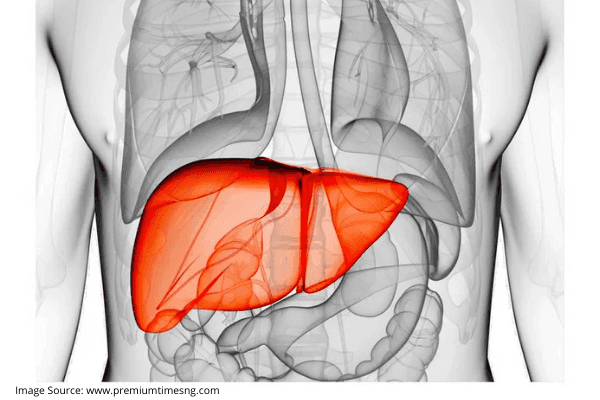
Liver disease can progress gradually, often without noticeable symptoms in the early stages. As liver function declines, symptoms may become more apparent and may signal the need for specialist evaluation.

Living Donor vs Deceased Donor Liver Transplant: Key Differences Explained
Liver transplantation can be performed using a liver from a deceased donor or a portion of liver from a living donor. Both approaches are well-established and effective. Understanding the differences helps patients choose the most appropriate option.
Preparing for Liver Transplant Surgery: Steps Before the Procedure
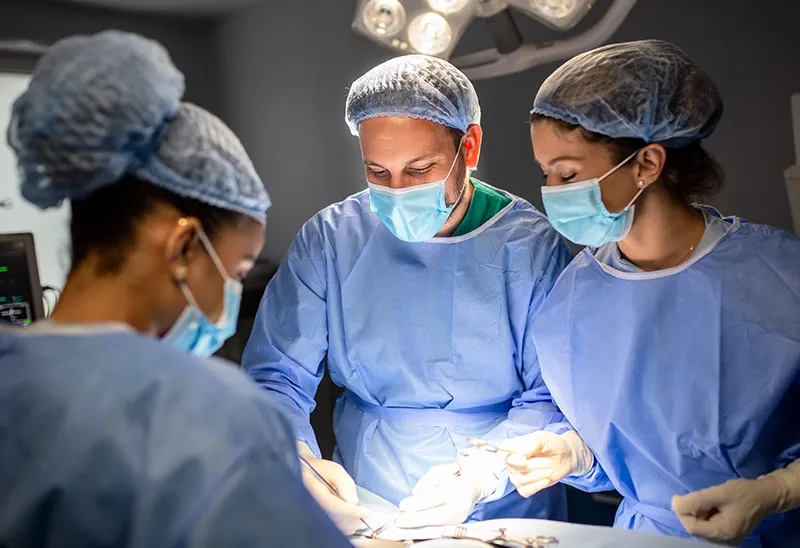
Preparing for liver transplant surgery involves medical, physical, and emotional readiness. Proper preparation improves surgical outcomes and recovery.
Risks and Complications of Liver Transplant: What Patients Should Understand
Liver transplant is a major surgical procedure that offers life-saving benefits for people with advanced liver disease. Like all complex medical treatments, it carries potential risks and complications. Understanding these risks helps patients and families make informed decisions and prepare for recovery.

Best Epilepsy Treatment in Kerala – Dr. Syamlal S
Epilepsy treatment in Kerala is most effective when managed by the best epilepsy specialist in Kerala, such as [Dr. Syamlal S](https://www.kimshealth.org/trivandrum/doctor/dr-syamlal-s), a leading epilepsy doctor in Kerala known for accurate diagnosis, advanced seizure treatment, and long-term neurological care. Most epilepsy cases can be successfully controlled with proper medical management.
Best Stroke Treatment in Kerala
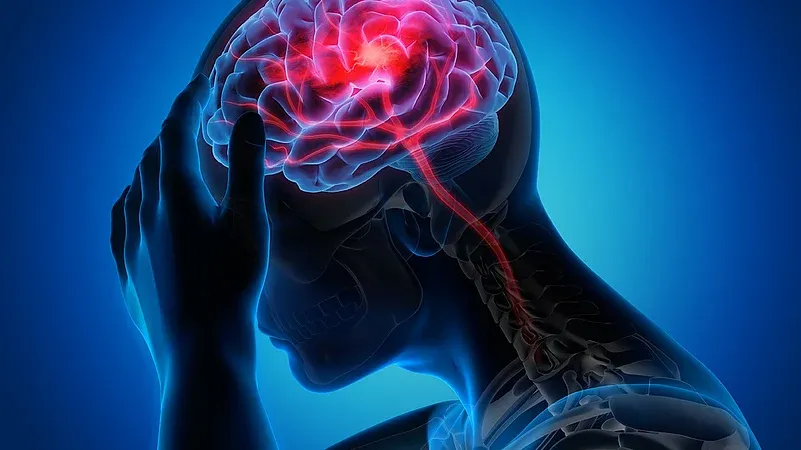
Stroke treatment in Kerala is most effective when delivered within the golden hour by experienced neurologists like Dr. Syamlal S, who specialises in rapid diagnosis, emergency stroke management, and long-term rehabilitation. Early intervention significantly reduces disability and improves recovery outcomes.
EPILEPSY TREATMENT & SURGERY IN KERALA
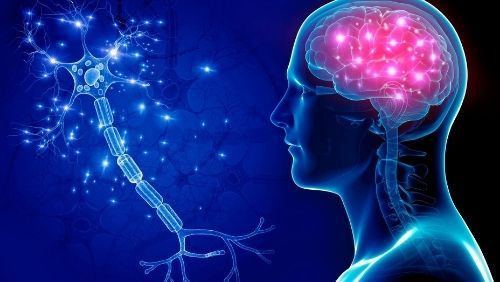
If you are searching for the best epilepsy treatment in Kerala or the top epilepsy specialist in Trivandrum, KIMSHEALTH—led by experts like Dr. Syamlal S—offers world-class, comprehensive epilepsy care with outcomes comparable to leading international centres.

Parkinson’s Disease Treatment in Kerala
KIMSHEALTH, under the expert care of Dr. Sandhya Manorenj, is among the best centres for Parkinson’s Disease treatment in Trivandrum, Kerala, and South India, offering world-class diagnosis, advanced therapies, and holistic rehabilitation tailored to each patient.

STROKE TREATMENT IN TRIVANDRUM
KIMSHEALTH offers advanced stroke treatment in Thiruvananthapuram, providing 24x7 emergency care, rapid diagnosis, and life-saving interventions.

Functional MRI (fMRI) - Advanced Brain Mapping
Functional MRI (fMRI) is an advanced and non-invasive brain imaging technique that helps doctors understand how different parts of the brain work in real time. Unlike a routine MRI that mainly shows the structure of the brain, fMRI identifies active brain areas by detecting changes in blood flow and oxygen levels while a person performs simple tasks such as speaking, moving a hand, reading, or thinking.

Ten Effective Remedies That You Can Refer to When You Are Suffering from Muscle Cramps
Finally starting off with the gym life can get too overwhelming until you hit those muscle cramps along with the weights.
ICSI(Intra Cytoplasmic Sperm Injection)
Normally during every mid-menstrual period, one of the 2 ovaries releases an ovum. Each ovum is covered by a membrane called follicle,

Pregnancy and Delivery Care
Nothing could possibly compare to the joy of becoming a parent. After nine long months of waiting, the moment you have been waiting for is almost there:

Some Common Causes of Chest Pain
The first thing that jumps into the mind whenever you have some sort of chest pain is heart attack! It’s only human to feel that way

Organic Food Vs GMO Food: What Should You Pick?
There is no doubt that the quality of food we consume is crucial for our good health. And with more people becoming health conscious the d
Importance of Breastfeeding and Vaccinations for Newborns
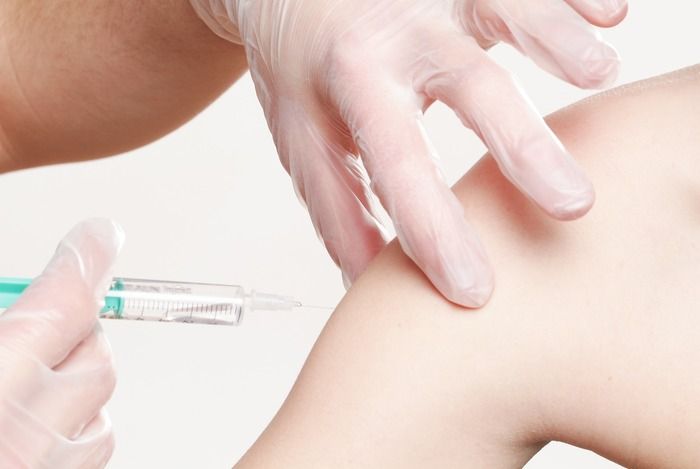
Going nature’s way is best when it comes to providing nourishment for the apple of your eye – your baby. Breast milk is best for your baby as it
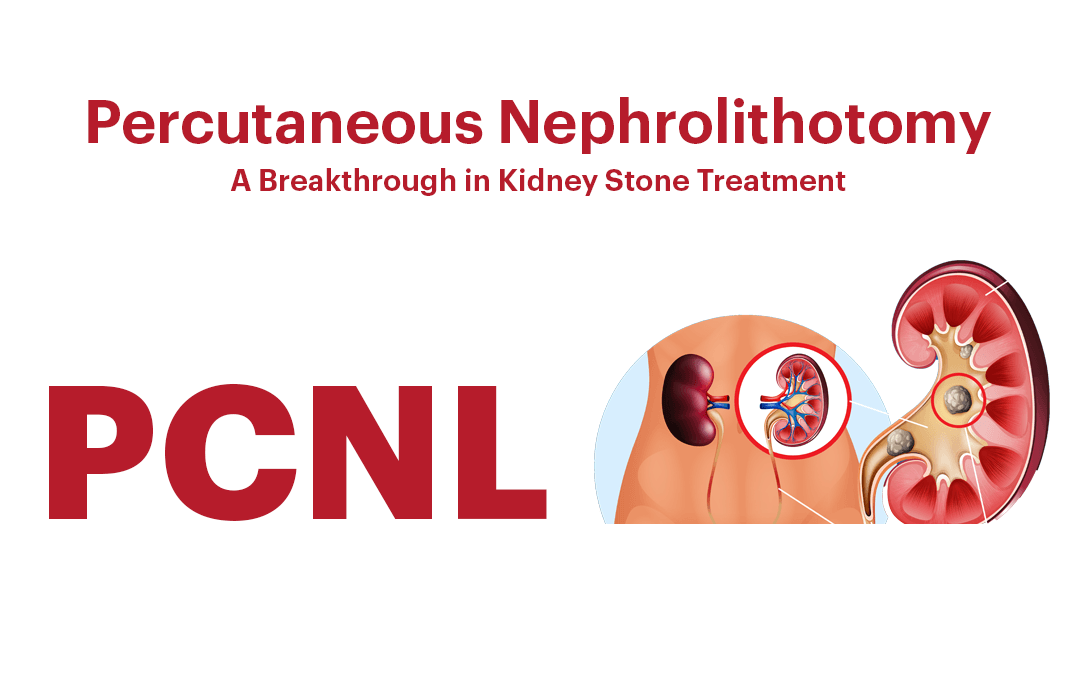
Percutaneous Nephrolithotomy (PCNL): A Breakthrough in Kidney Stone Treatment
Kidney stones, those small, hard mineral deposits that form in the kidneys, can cause excruciating pain and discomfort.

Skin Tags - Benign Tumor or Cancerous Tumor?
Skin tag if observed is a narrow stalk that hangs about your skin, bulging at the end. They are usually freshly colored and can grow anywhere on your body.

3 Ways Vitamin C is Helpful for the Immune System
The water-soluble vitamin, Vitamin C is also known as ascorbic acid. It is helpful in building up the blood vessels, skins, and making bones stronger
Related Blogs
Can Epilepsy Be Cured Permanently? Treatment Options Explained
At KIMSHEALTH, expert neurologists provide advanced epilepsy diagnosis and treatment in Thiruvananthapuram using modern technologies including Video EEG monitoring and epilepsy surgery.
Diet and Lifestyle Before and After Liver Transplant
Nutrition and lifestyle choices play an important role both before and after liver transplant. Proper care supports recovery, reduces complications, and improves long-term health.