
Can Meditation Enhance Your Heart Health? Know the Truth!
Meditation has lasting benefits on the health of an individual. Researches have proved its effect on maintaining the health of different parts of the body and overall wellbeing. One of the most immediate effects it does is to increase the health of the heart. Let us understand how it works.
** Let us first understand what meditation is**
When we meditate, we indulge ourselves in a state of concentration. We release the worries and go into the meditative state where we delve into the present situation. Meditation helps us to shake off our worries and focus on the breathing technique. It helps us to concentrate on the present moment and control unwanted thoughts and emotions. We become relaxed and a sense of calmness expands on our whole being. Psychologically we attain equilibrium. According to the American Heart Association, this is the cause of reduced chances of heart disease and heart failure.
Types of heart disease and the causes
Heart diseases affect the heart and also the blood vessels. The different types of heart ailments may be irregular or fast heart-beat, angina, heart congestion, heart failure, and cardiomyopathy. These diseases are caused mainly because of stress or sedentary lifestyles. Heart disease is the cause of death of twenty-four percent of the global population. Stress in modern times has led to an increase in death due to heart failure.
1. Meditation helps in preventing heart blockage
With regular meditation on the routine, the risk of heart failure and developing heart ailments is averted. Many types of research have been made on the subject and each has been able to conclude on the usefulness of meditation in reducing heart disease. In meditation, one controls the popping up of unwanted thoughts in the mind and thus helps to keep a check on the worries. The worries are the ultimate cause of stress. When we breathe in a prolonged inhale, exhale fashion, the stress levels lower. This is an essential technique of meditation. Lowering of stress produces less cortisol, which is the hormone released because of stress, and harmful for the heart and whole body. The stress hormones are the ultimate cause of anxieties and promoters of heart diseases and heart blockages.
** 2. Meditation reduces stress – the cause of heart diseases**
Meditation teaches one of the mindfulness techniques. It helps us to control our reactions to stressful situations also. These not only control the quality of life but help reduce the possibilities of putting ourselves in more stress. Since the 1970s, it has been established through researches that there is a strong relationship between heart diseases and stress factors like depression, anxiety, and violence. Time and again these three factors have proved to be the cause of heart diseases in some form or the other. The impacts are both direct and indirect. To state about the indirect impact, the psychological association of America states that stress induces wrong behaviors like sedentary life, improper diet practice, drug abuse, or increased smoking and drinking. All these lead to the increased level of heart diseases and blockage of the arteries of the heart. However, the stress factor is also directly responsible for heart blockage by increasing the stress hormone, cortisol which is responsible for heart failure. Psychological stress directly impacts the coronary arteries. It hampers the functions of platelets. Stress makes the platelets reactive and produces the platelet factor 4 and beta-thromboglobulin which are responsible for heart ailments. It even causes necrosis. In women, it can lead to the degeneration of the function of the ovaries which can cause further stress and eventually lead to heart diseases.
Chronic stress can induce the diseases of the coronary artery while strong stress can lead to vasoconstriction of the coronaries. It can also disrupt the function of the platelets and bring in the wrong function of the endothelial parts of the body. These will lead to sudden and irrevocable cardiac failure.
** 3. Meditation controls the Heart Variability Rate**
Studies also show that meditation increases the HRV or the Heart Rate Variability. It is the ability of the heart to adapt to the variable heartbeats which may be caused due to stress or other ailments in the body. HRV may also be the effect of the change of climate or the altitude of the land. As we move up the landscape to the higher altitude, we have difficulty in breathing and the heart rate variability increases. Meditation helps to easily adapt to such situations and help in keeping the pace of the heart right.
Conclusion
Meditation is the art and science of getting mindful and focussing on the present state of the mind. The technique helps to check worries and release stress from the mind. Stress is the cause of heart failure along with many other diseases. Directly and indirectly, it blocks the arteries of the heart. Directly it increases the stress hormone and causes heart failure. Indirectly it leads to a sedentary lifestyle which is the cause of heart ailments. Meditation not only helps to check these but also increases the HRV or the Heart Rate Variability and helps the heart to pace up with varied heartbeats effectively. Thus meditation increases the health of the heart in a number of ways.
Related Blogs

Can Epilepsy Be Cured Permanently? Treatment Options Explained
At KIMSHEALTH, expert neurologists provide advanced epilepsy diagnosis and treatment in Thiruvananthapuram using modern technologies including Video EEG monitoring and epilepsy surgery.

Diet and Lifestyle Before and After Liver Transplant
Nutrition and lifestyle choices play an important role both before and after liver transplant. Proper care supports recovery, reduces complications, and improves long-term health.

Life After Liver Transplant: Recovery and Long-Term Care
Recovery after liver transplant varies from person to person. With appropriate medical care and follow-up, most people experience significant improvement in health and quality of life.

Liver Transplant Eligibility and Evaluation: How Doctors Decide
Not everyone with liver disease requires a transplant. Liver transplant eligibility is determined through a detailed medical evaluation designed to assess disease severity, overall health, and the likelihood of long-term benefit from transplantation.

Liver Transplant Outcomes and Long-Term Survival
Liver transplantation has become an effective treatment with improving outcomes worldwide. Advances in surgery, medication, and post-transplant care have significantly increased survival rates and quality of life.
Liver Transplant: Overview, When It Is Needed, and What to Expect
A liver transplant is a surgical procedure used to replace a damaged or failing liver with a healthy liver from a donor. It is considered when the liver can no longer perform essential functions needed to sustain life. Advances in medical care have made liver transplantation a well-established and effective treatment for selected patients with advanced liver disease.
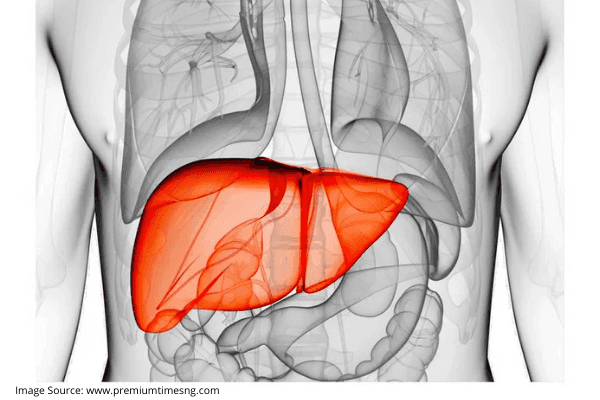
Liver Transplant: Symptoms That May Indicate Advanced Liver Disease
Liver disease can progress gradually, often without noticeable symptoms in the early stages. As liver function declines, symptoms may become more apparent and may signal the need for specialist evaluation.

Living Donor vs Deceased Donor Liver Transplant: Key Differences Explained
Liver transplantation can be performed using a liver from a deceased donor or a portion of liver from a living donor. Both approaches are well-established and effective. Understanding the differences helps patients choose the most appropriate option.
Preparing for Liver Transplant Surgery: Steps Before the Procedure
Preparing for liver transplant surgery involves medical, physical, and emotional readiness. Proper preparation improves surgical outcomes and recovery.
Risks and Complications of Liver Transplant: What Patients Should Understand
Liver transplant is a major surgical procedure that offers life-saving benefits for people with advanced liver disease. Like all complex medical treatments, it carries potential risks and complications. Understanding these risks helps patients and families make informed decisions and prepare for recovery.

Best Epilepsy Treatment in Kerala – Dr. Syamlal S
Epilepsy treatment in Kerala is most effective when managed by the best epilepsy specialist in Kerala, such as [Dr. Syamlal S](https://www.kimshealth.org/trivandrum/doctor/dr-syamlal-s), a leading epilepsy doctor in Kerala known for accurate diagnosis, advanced seizure treatment, and long-term neurological care. Most epilepsy cases can be successfully controlled with proper medical management.
Best Stroke Treatment in Kerala
Stroke treatment in Kerala is most effective when delivered within the golden hour by experienced neurologists like Dr. Syamlal S, who specialises in rapid diagnosis, emergency stroke management, and long-term rehabilitation. Early intervention significantly reduces disability and improves recovery outcomes.
EPILEPSY TREATMENT & SURGERY IN KERALA
If you are searching for the best epilepsy treatment in Kerala or the top epilepsy specialist in Trivandrum, KIMSHEALTH—led by experts like Dr. Syamlal S—offers world-class, comprehensive epilepsy care with outcomes comparable to leading international centres.
Parkinson’s Disease Treatment in Kerala
KIMSHEALTH, under the expert care of Dr. Sandhya Manorenj, is among the best centres for Parkinson’s Disease treatment in Trivandrum, Kerala, and South India, offering world-class diagnosis, advanced therapies, and holistic rehabilitation tailored to each patient.

STROKE TREATMENT IN TRIVANDRUM
KIMSHEALTH offers advanced stroke treatment in Thiruvananthapuram, providing 24x7 emergency care, rapid diagnosis, and life-saving interventions.

Ten Effective Remedies That You Can Refer to When You Are Suffering from Muscle Cramps
Finally starting off with the gym life can get too overwhelming until you hit those muscle cramps along with the weights.

Skin Tags - Benign Tumor or Cancerous Tumor?
Skin tag if observed is a narrow stalk that hangs about your skin, bulging at the end. They are usually freshly colored and can grow anywhere on your body.
Rotator Cuff Tear
A rotator cuff tear is a rotator cuff injury that can cause shoulder pain and loss of arm function. The rotator cuff is a set of muscles and tendons in your shoulder.

Importance of Parental Counselling
Right from the moment you tell your friends and family about your pregnancy, little hints keep coming your way on parenting your unborn child!

Taking Care of a Terminal Patient? Here Are Six Ways to Help Them to the Fullest
A terminally ill patient is someone who has a relatively short life expectancy. Terminally ill people are usually shifted from an actively curative medicinal regime
Stages of Tooth Decay and Their Treatment Options
Tooth decay refers to the degradation process of the structure of the tooth resulting in permanent damage.

12 Home Remedies for Dry Cough
The flu, common cold, asthma, cigarette smoke exposure, and other conditions can all cause a dry cough. Home remedies such as honey, peppermint, and air purifiers may be beneficial.
Shoulder Dislocation
Shoulder dislocation occurs when the bones of your shoulder joint are pushed or forced out of their normal positions.

5 Facts to Keep in Mind for Your Monthly Menstruation Cycle
Our menstruation indicates multiple activities within your body. Every month, your uterus forms a thicker lining for the ovary to release an egg for a possible pregnancy.
Different Types of Diabetes
Junk food and increasing physical activity are leading to a worldwide epidemic of obesity, resulting in diseases like diabetes
Related Blogs
Can Epilepsy Be Cured Permanently? Treatment Options Explained
At KIMSHEALTH, expert neurologists provide advanced epilepsy diagnosis and treatment in Thiruvananthapuram using modern technologies including Video EEG monitoring and epilepsy surgery.
Diet and Lifestyle Before and After Liver Transplant
Nutrition and lifestyle choices play an important role both before and after liver transplant. Proper care supports recovery, reduces complications, and improves long-term health.