

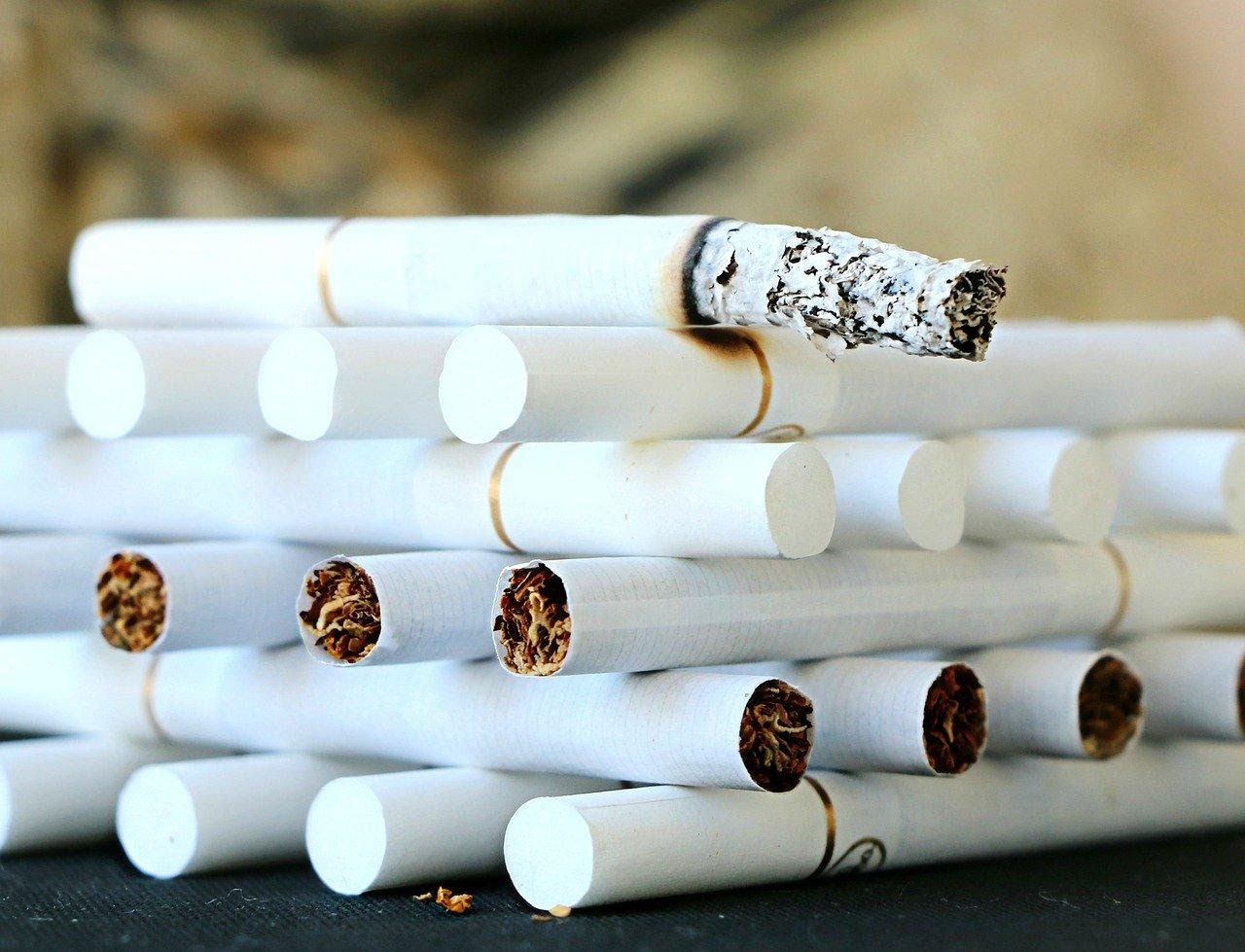
Eight Ways to Quit Smoking
Even though everyone is completely aware of how detrimental smoking is they still continue to engage in it and put themselves and those around them in danger. Many try to quit but do not see it through to the end and fall back on their smoking habits. Smoking is a form of addiction and trying to quit after years and years of smoking can be very difficult because your body is in a way ‘dependent’ on nicotine for stressr elief and relaxation. But there is some good news for everyone trying to quit; Nancy Rigott (director of the Massachusetts General Hospital Tobacco Research and Treatment Center) has advised to approach it in a two-pronged manner. She emphasizes the use of both behavioral therapies and medication. It’s never too late to quit and no matter what your age. This article will give you some useful tips on how to quit smoking.
1. Maintain A Smoking Diary
The arduous journey of quitting the habit starts with you and your willpower. You have to be strong and constantly reaffirm that you can do this! Record your smoking pattern, keep track of how many times you smoke in a day. Do not be vague, set down short term goals and the plans leading up to them. Remember, you cannot quit smoking in one day, it is a gradual process. Keep reducing the number of cigarettes one by one until it becomes a habit and does not feel forced. Keeping a smoking diary will help you understand what kind of social environments you tend to associate with smoking, whether you are a heavy or social smoker. This is the first step to help gain perspective on the type of therapies you should adopt in order to quit smoking.
2. Know What Triggers You Into Smoking
Identifying and mapping triggers can help you set alternatives to every trigger. People often turn to cigarettes when they are sad, angry, lonely or panicked. Your peers might trigger smoking or you may be conditioned to (out of routine) to crave a smoke after meals or when tired. When you are surrounded by people who smoke do not given into peer pressure and simply inform that you are trying to quit. If the post-meal urge to smoke kicks in, restrict yourself! Replace it with a delicious and healthy dessert, fruits or even a gum. Switching to non-alcoholic drinks can also reduce the chances of smoking.
3. Foods Which Help You Quit Smoking
Certain foods can reduce your craving for a cigarette. Smoking damages the neuroreceptors in your mouth and dulls the sense of taste. Within two weeks of quitting, the taste buds go back to functioning normally. A protip is to grab a glass of milk every time you hanker for a cigarette; the taste of milk worsens the taste of cigarettes and it will prevent you from smoking. Frozen grapes and cinnamon sticks are other alternatives. Trying to quit opens you up to sugar cravings and frozen grapes are perfect to quench those. Sucking on cinnamon sticks gives a good strong taste for a long time. Cinnamon sticks can also be replayed by carrot and celery sticks. The key is to keep your hands and mouth occupied to simulate the action of smoking. Consider adding fibrous food such as beans and oatmeal to your smoke-free diet. Eat meals packed with all the food groups and drink lots of water.
4. Medication and Therapy
If you are an avid smoker who has failed several attempts to quit; consult a physician and join a therapy group. USFDA has approved anti-smoking treatments such as nicotine replacement therapy which is characterized by replacing the nicotine found in cigarettes with that found (in very low doses) in medically approved nicotine gum, nasal sprays, patches, inhaler, patches, lozenges, etc. This eases patients out of tobacco nicotine dependency and addiction. Some non-nicotine medication includes Bupropion and Varenicline; to be used on prescription for a short term.
5. Exercise
Exercise makes your body produce endorphins and keeps smoke cravings at bay. Even a five-minute workout, a brisk walk or a short yoga session contributes a lot to keep you off cigarettes.
6. Alternative Methods
Hypnosis, acupuncture, behavioural therapy and motivational therapies have been very beneficial in helping smokers quit. Hypnosis puts you in a relaxed state and makes resolving to quit easier. Acupuncture is one of the oldest techniques which triggers the release of endorphins and relaxes the body, thus managing nicotine withdrawal symptoms.
7. Surround Yourself With Non-Smokers
Surrounding yourself with people who do not smoke will keep you temptation under check. These people will positively influence you to give up smoking for good and keep your habits in control.
8. Coping With Nicotine Withdrawal
Cessation of smoking gives way to symptoms of nicotine withdrawal which can last for a few days to weeks. Everyone experiences different symptoms such as insomnia, tremors, restlessness, anxiety, fatigue, constipation headaches, difficulty in concentration, etc. You can seek support from peers, keep your mind busy, try mental relaxation techniques etc. Don’t worry if you slip, stop yourself from the moment things start to go downhill. Learn from your experience and don't hesitate to ask for help.
Related Blogs

Can Epilepsy Be Cured Permanently? Treatment Options Explained
At KIMSHEALTH, expert neurologists provide advanced epilepsy diagnosis and treatment in Thiruvananthapuram using modern technologies including Video EEG monitoring and epilepsy surgery.
Diet and Lifestyle Before and After Liver Transplant
Nutrition and lifestyle choices play an important role both before and after liver transplant. Proper care supports recovery, reduces complications, and improves long-term health.

Life After Liver Transplant: Recovery and Long-Term Care
Recovery after liver transplant varies from person to person. With appropriate medical care and follow-up, most people experience significant improvement in health and quality of life.

Liver Transplant Eligibility and Evaluation: How Doctors Decide
Not everyone with liver disease requires a transplant. Liver transplant eligibility is determined through a detailed medical evaluation designed to assess disease severity, overall health, and the likelihood of long-term benefit from transplantation.

Liver Transplant Outcomes and Long-Term Survival
Liver transplantation has become an effective treatment with improving outcomes worldwide. Advances in surgery, medication, and post-transplant care have significantly increased survival rates and quality of life.
Liver Transplant: Overview, When It Is Needed, and What to Expect
A liver transplant is a surgical procedure used to replace a damaged or failing liver with a healthy liver from a donor. It is considered when the liver can no longer perform essential functions needed to sustain life. Advances in medical care have made liver transplantation a well-established and effective treatment for selected patients with advanced liver disease.
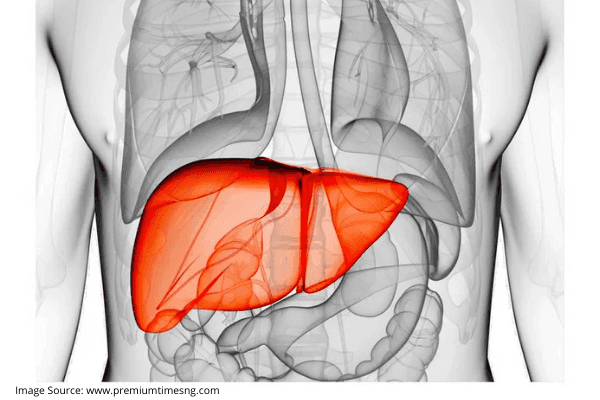
Liver Transplant: Symptoms That May Indicate Advanced Liver Disease
Liver disease can progress gradually, often without noticeable symptoms in the early stages. As liver function declines, symptoms may become more apparent and may signal the need for specialist evaluation.

Living Donor vs Deceased Donor Liver Transplant: Key Differences Explained
Liver transplantation can be performed using a liver from a deceased donor or a portion of liver from a living donor. Both approaches are well-established and effective. Understanding the differences helps patients choose the most appropriate option.

Preparing for Liver Transplant Surgery: Steps Before the Procedure
Preparing for liver transplant surgery involves medical, physical, and emotional readiness. Proper preparation improves surgical outcomes and recovery.
Risks and Complications of Liver Transplant: What Patients Should Understand
Liver transplant is a major surgical procedure that offers life-saving benefits for people with advanced liver disease. Like all complex medical treatments, it carries potential risks and complications. Understanding these risks helps patients and families make informed decisions and prepare for recovery.

Best Epilepsy Treatment in Kerala – Dr. Syamlal S
Epilepsy treatment in Kerala is most effective when managed by the best epilepsy specialist in Kerala, such as [Dr. Syamlal S](https://www.kimshealth.org/trivandrum/doctor/dr-syamlal-s), a leading epilepsy doctor in Kerala known for accurate diagnosis, advanced seizure treatment, and long-term neurological care. Most epilepsy cases can be successfully controlled with proper medical management.
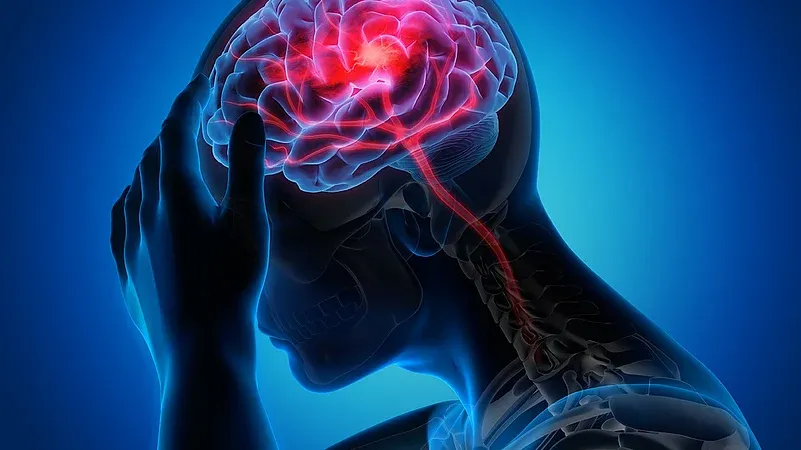
Best Stroke Treatment in Kerala
Stroke treatment in Kerala is most effective when delivered within the golden hour by experienced neurologists like Dr. Syamlal S, who specialises in rapid diagnosis, emergency stroke management, and long-term rehabilitation. Early intervention significantly reduces disability and improves recovery outcomes.
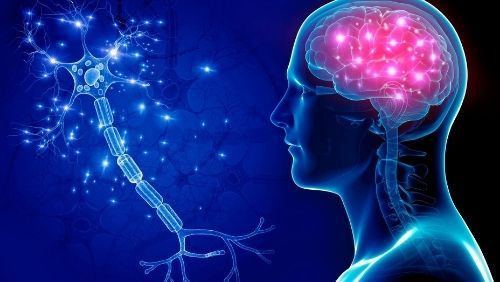
EPILEPSY TREATMENT & SURGERY IN KERALA
If you are searching for the best epilepsy treatment in Kerala or the top epilepsy specialist in Trivandrum, KIMSHEALTH—led by experts like Dr. Syamlal S—offers world-class, comprehensive epilepsy care with outcomes comparable to leading international centres.

Parkinson’s Disease Treatment in Kerala
KIMSHEALTH, under the expert care of Dr. Sandhya Manorenj, is among the best centres for Parkinson’s Disease treatment in Trivandrum, Kerala, and South India, offering world-class diagnosis, advanced therapies, and holistic rehabilitation tailored to each patient.

STROKE TREATMENT IN TRIVANDRUM
KIMSHEALTH offers advanced stroke treatment in Thiruvananthapuram, providing 24x7 emergency care, rapid diagnosis, and life-saving interventions.

Ten Effective Remedies That You Can Refer to When You Are Suffering from Muscle Cramps
Finally starting off with the gym life can get too overwhelming until you hit those muscle cramps along with the weights.

Skin Tags - Benign Tumor or Cancerous Tumor?
Skin tag if observed is a narrow stalk that hangs about your skin, bulging at the end. They are usually freshly colored and can grow anywhere on your body.
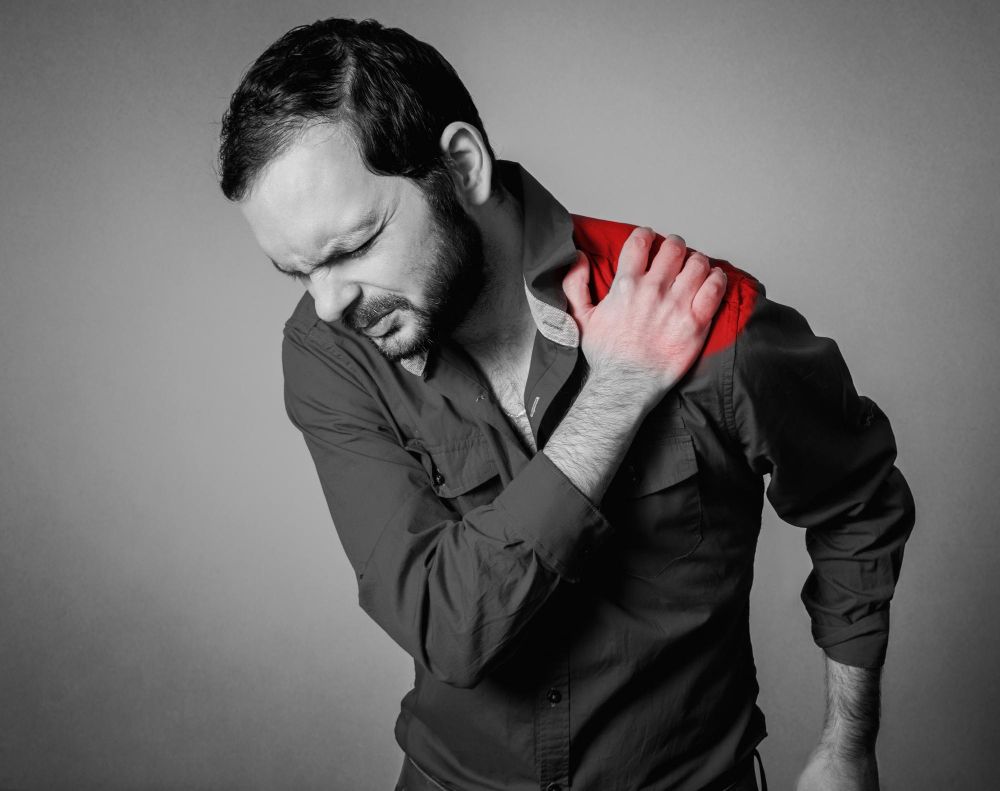
Rotator Cuff Tear
A rotator cuff tear is a rotator cuff injury that can cause shoulder pain and loss of arm function. The rotator cuff is a set of muscles and tendons in your shoulder.

Importance of Parental Counselling
Right from the moment you tell your friends and family about your pregnancy, little hints keep coming your way on parenting your unborn child!

Taking Care of a Terminal Patient? Here Are Six Ways to Help Them to the Fullest
A terminally ill patient is someone who has a relatively short life expectancy. Terminally ill people are usually shifted from an actively curative medicinal regime
Stages of Tooth Decay and Their Treatment Options
Tooth decay refers to the degradation process of the structure of the tooth resulting in permanent damage.

12 Home Remedies for Dry Cough
The flu, common cold, asthma, cigarette smoke exposure, and other conditions can all cause a dry cough. Home remedies such as honey, peppermint, and air purifiers may be beneficial.
Shoulder Dislocation
Shoulder dislocation occurs when the bones of your shoulder joint are pushed or forced out of their normal positions.

5 Facts to Keep in Mind for Your Monthly Menstruation Cycle
Our menstruation indicates multiple activities within your body. Every month, your uterus forms a thicker lining for the ovary to release an egg for a possible pregnancy.
Different Types of Diabetes
Junk food and increasing physical activity are leading to a worldwide epidemic of obesity, resulting in diseases like diabetes
Related Blogs
Can Epilepsy Be Cured Permanently? Treatment Options Explained
At KIMSHEALTH, expert neurologists provide advanced epilepsy diagnosis and treatment in Thiruvananthapuram using modern technologies including Video EEG monitoring and epilepsy surgery.
Diet and Lifestyle Before and After Liver Transplant
Nutrition and lifestyle choices play an important role both before and after liver transplant. Proper care supports recovery, reduces complications, and improves long-term health.