
Dr. Raj Mohan L
KIMSHEALTH Trivandrum,KIMSHEALTH Medical Centre Kamaleswaram (Manacaud)
Endocrinology & Diabetes,Endocrinology,Endocrinology & Internal Medicine

Four Things Women Need To Know About Thyroid Disorders
Dr. Raj Mohan L
KIMSHEALTH Trivandrum,KIMSHEALTH Medical Centre Kamaleswaram (Manacaud)
Endocrinology & Diabetes,Endocrinology,Endocrinology & Internal Medicine
Four Things Women Need To Know About Thyroid Disorders
Thyroid problems are more common in women than men and come with a bunch of complications that can cause endless worry. The weight gain, the irregular menstrual cycle, the stress and tiredness are just a few reasons why thyroid can be such a menace. However, keeping ourselves informed about the condition and taking precautionary measures can go a long way in helping us keep it in check. This article will provide you with some key information that will help you identify any potential problems and stop you from being in the risk category for thyroid.
The Thyroid Gland
Your thyroid gland pumps the key hormones triiodothyronine (T3) and thyroxine (T4), which are partially composed of iodine. It influences your heart rate, your menstrual cycle, metabolism rate, and hence weight, and can also cause osteoporosis and skin problems. Studies reveal that women are five to eight times as likely as men to have thyroid problems.
Thyroid problems can manifest as hyperthyroidism and hypothyroidism. Hyperthyroidism is when the thyroid gland produces much more thyroid than required and hypothyroidism is when the thyroid gland does not produce enough thyroid.
All this sounds terribly scary, but the good thing is that once diagnosed, most thyroid problems are very treatable. The doctor can identify the problem through a blood test that measures your level of thyroid-stimulating hormone or TSH. The TSH is released by the pituitary gland to stimulate the secretion of thyroid hormones T3 and T4. It is definitely recommended to take a test if you have a familial history of thyroid as studies suggest that thyroid disorders, along with auto-immune disorders run in the family.
**What Can You Do? **
- Identify symptoms, if any Some symptoms of thyroid include feeling cold, abnormal bowel function, changes in mood, changes in heart rate, fatigue, weight gain or loss, hair loss, and irregular menstrual cycle. You might have trouble concentrating or remembering things and also develop skin itch and related problems. While these might be due to completely different causes, make sure that you get it checked especially if you are genetically predisposed to thyroid problems.
A blood test is critical in identifying a thyroid problem, so make sure that you explain all your symptoms clearly to your doctor to ensure that you are not misdiagnosed. The symptoms of thyroid might also be misleading and actually stem from a completely different cause. Dr. Melinda Ring of the Northwestern Medicine's Osher Centre for Integrative Medicine in Chicago says " that's why it's important for doctors to look at everything — test results, symptoms, and risk factors — in context rather than as stand-alone issues".
- Regulate your diet Hypothyroidism effectively reduces your body functions to a level of permanent fatigue. This can later translate into serious complications like high cholesterol and heart trouble. Hyperthyroidism can cause restlessness, lack of sleep and even tremors. One key step towards bettering yourself is a well-regulated diet.
The first step to keeping one's thyroid gland healthy is to consume the right amount of iodine. Just half to three- fourth of a spoon of iodized salt gets you to the daily required intake of iodine, but you will have to watch your diet if you are on a low salt diet or gluten-free. In this scenario, eggs, seawater food, and dairy are excellent alternatives. Selenium is also known to be instrumental in the manufacturing of thyroid hormones, and selenium too is found in eggs and seafood.
However, in the case of diagnosis, consumption of the mineral iodine cannot bring about any change. It is best advised that you and your doctor sit down to discuss what medication is best for you. Research also suggests that eating smaller and more frequent meals a day helps in controlling the condition.
- Thyroid disorders need to be addressed before and during pregnancy Thyroid disorders can cause problems in your pregnancy. Firstly, not addressing a thyroid problem can lead to irregular ovulation or no ovulation. Underlying thyroid problems might lead to a miscarriage too.
The fetus is completely dependent on the mother for thyroid. Hence, cases of hypothyroidism put the baby at a higher risk of developing neurological or developmental problems. On the other hand, hyperthyroidism, which is excessive secretion of thyroid can result in an extremely premature delivery before 37 weeks.
- Medication and Treatment Helps Considering that a thyroid issue is a hormonal one, it is very understandable that you might be worried about the ill effects of medication. However, research has consistently shown progress in treatment in most cases.
While results cannot be seen immediately, the effects of the symptoms often start reducing after a month. However, one important thing to keep in mind throughout is to avoid any over the counter thyroid support pills or other supplements that are not prescribed by your doctor. According to a research done by Mayo Clinic, 9 out of 19 of these supplements have a much higher dosage of the synthetic thyroid hormone levothyroxine than prescribed by a doctor.
Take a step towards a healthy you and get yourself screened today. Better late than never!
Related Blogs

Can Epilepsy Be Cured Permanently? Treatment Options Explained
At KIMSHEALTH, expert neurologists provide advanced epilepsy diagnosis and treatment in Thiruvananthapuram using modern technologies including Video EEG monitoring and epilepsy surgery.

Diet and Lifestyle Before and After Liver Transplant
Nutrition and lifestyle choices play an important role both before and after liver transplant. Proper care supports recovery, reduces complications, and improves long-term health.

Life After Liver Transplant: Recovery and Long-Term Care
Recovery after liver transplant varies from person to person. With appropriate medical care and follow-up, most people experience significant improvement in health and quality of life.

Liver Transplant Eligibility and Evaluation: How Doctors Decide
Not everyone with liver disease requires a transplant. Liver transplant eligibility is determined through a detailed medical evaluation designed to assess disease severity, overall health, and the likelihood of long-term benefit from transplantation.

Liver Transplant Outcomes and Long-Term Survival
Liver transplantation has become an effective treatment with improving outcomes worldwide. Advances in surgery, medication, and post-transplant care have significantly increased survival rates and quality of life.
Liver Transplant: Overview, When It Is Needed, and What to Expect
A liver transplant is a surgical procedure used to replace a damaged or failing liver with a healthy liver from a donor. It is considered when the liver can no longer perform essential functions needed to sustain life. Advances in medical care have made liver transplantation a well-established and effective treatment for selected patients with advanced liver disease.
Liver Transplant: Symptoms That May Indicate Advanced Liver Disease
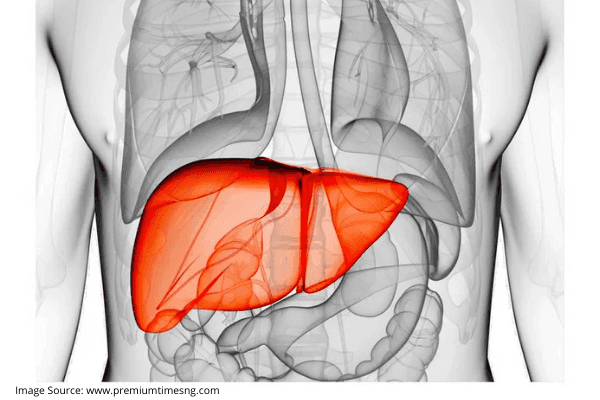
Liver disease can progress gradually, often without noticeable symptoms in the early stages. As liver function declines, symptoms may become more apparent and may signal the need for specialist evaluation.

Living Donor vs Deceased Donor Liver Transplant: Key Differences Explained
Liver transplantation can be performed using a liver from a deceased donor or a portion of liver from a living donor. Both approaches are well-established and effective. Understanding the differences helps patients choose the most appropriate option.
Preparing for Liver Transplant Surgery: Steps Before the Procedure
Preparing for liver transplant surgery involves medical, physical, and emotional readiness. Proper preparation improves surgical outcomes and recovery.
Risks and Complications of Liver Transplant: What Patients Should Understand
Liver transplant is a major surgical procedure that offers life-saving benefits for people with advanced liver disease. Like all complex medical treatments, it carries potential risks and complications. Understanding these risks helps patients and families make informed decisions and prepare for recovery.

Best Epilepsy Treatment in Kerala – Dr. Syamlal S
Epilepsy treatment in Kerala is most effective when managed by the best epilepsy specialist in Kerala, such as [Dr. Syamlal S](https://www.kimshealth.org/trivandrum/doctor/dr-syamlal-s), a leading epilepsy doctor in Kerala known for accurate diagnosis, advanced seizure treatment, and long-term neurological care. Most epilepsy cases can be successfully controlled with proper medical management.
Best Stroke Treatment in Kerala
Stroke treatment in Kerala is most effective when delivered within the golden hour by experienced neurologists like Dr. Syamlal S, who specialises in rapid diagnosis, emergency stroke management, and long-term rehabilitation. Early intervention significantly reduces disability and improves recovery outcomes.
EPILEPSY TREATMENT & SURGERY IN KERALA
If you are searching for the best epilepsy treatment in Kerala or the top epilepsy specialist in Trivandrum, KIMSHEALTH—led by experts like Dr. Syamlal S—offers world-class, comprehensive epilepsy care with outcomes comparable to leading international centres.

Parkinson’s Disease Treatment in Kerala
KIMSHEALTH, under the expert care of Dr. Sandhya Manorenj, is among the best centres for Parkinson’s Disease treatment in Trivandrum, Kerala, and South India, offering world-class diagnosis, advanced therapies, and holistic rehabilitation tailored to each patient.

STROKE TREATMENT IN TRIVANDRUM
KIMSHEALTH offers advanced stroke treatment in Thiruvananthapuram, providing 24x7 emergency care, rapid diagnosis, and life-saving interventions.

Ten Effective Remedies That You Can Refer to When You Are Suffering from Muscle Cramps
Finally starting off with the gym life can get too overwhelming until you hit those muscle cramps along with the weights.

Skin Tags - Benign Tumor or Cancerous Tumor?
Skin tag if observed is a narrow stalk that hangs about your skin, bulging at the end. They are usually freshly colored and can grow anywhere on your body.
Rotator Cuff Tear
A rotator cuff tear is a rotator cuff injury that can cause shoulder pain and loss of arm function. The rotator cuff is a set of muscles and tendons in your shoulder.

Importance of Parental Counselling
Right from the moment you tell your friends and family about your pregnancy, little hints keep coming your way on parenting your unborn child!

Taking Care of a Terminal Patient? Here Are Six Ways to Help Them to the Fullest
A terminally ill patient is someone who has a relatively short life expectancy. Terminally ill people are usually shifted from an actively curative medicinal regime

Stages of Tooth Decay and Their Treatment Options
Tooth decay refers to the degradation process of the structure of the tooth resulting in permanent damage.

12 Home Remedies for Dry Cough
The flu, common cold, asthma, cigarette smoke exposure, and other conditions can all cause a dry cough. Home remedies such as honey, peppermint, and air purifiers may be beneficial.
Shoulder Dislocation
Shoulder dislocation occurs when the bones of your shoulder joint are pushed or forced out of their normal positions.

5 Facts to Keep in Mind for Your Monthly Menstruation Cycle
Our menstruation indicates multiple activities within your body. Every month, your uterus forms a thicker lining for the ovary to release an egg for a possible pregnancy.
Different Types of Diabetes
Junk food and increasing physical activity are leading to a worldwide epidemic of obesity, resulting in diseases like diabetes
Related Blogs
Can Epilepsy Be Cured Permanently? Treatment Options Explained
At KIMSHEALTH, expert neurologists provide advanced epilepsy diagnosis and treatment in Thiruvananthapuram using modern technologies including Video EEG monitoring and epilepsy surgery.
Diet and Lifestyle Before and After Liver Transplant
Nutrition and lifestyle choices play an important role both before and after liver transplant. Proper care supports recovery, reduces complications, and improves long-term health.