Healthy Heart Superfoods: To Avoid Vs to Eat
Whatever you eat goes straight to your heart. It is widely known that dietary habits affect cardiovascular health. The experts are asking us not to restrict ourselves but merely to plan our meals around lean meat such as fish and chicken, fruit, nuts, vegetables, and legumes. This article gives you a basic guideline on how to keep your heart healthy by making wise superfood choices.
Heart-Healthy Superfoods
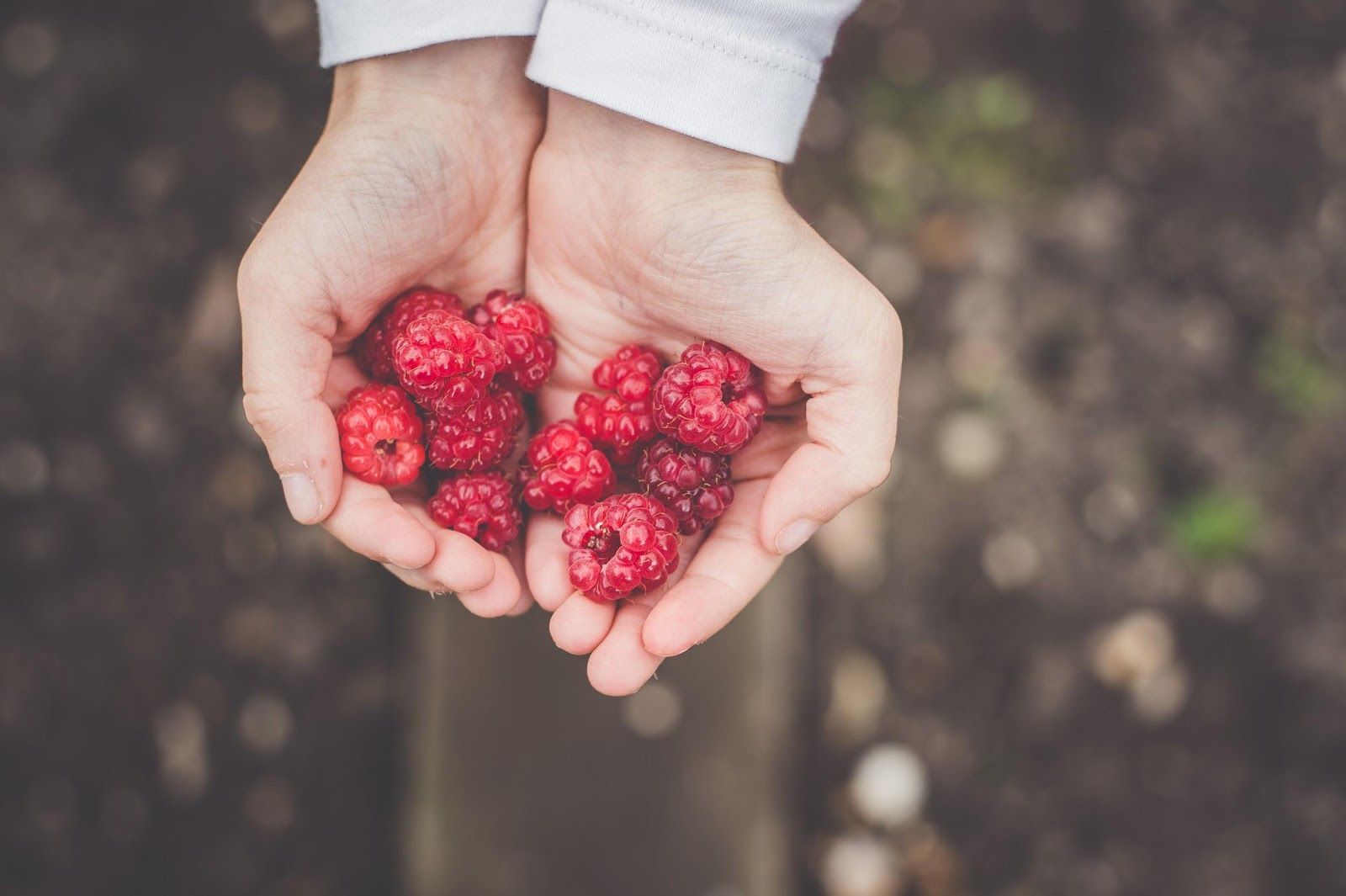
- Berries, Nuts, and Seeds Blueberries, strawberries, raspberries, grapes, and blackberries among other berries are very rich in antioxidants and anthocyanins and other phytonutrients. The antioxidants contribute to heart health by reducing inflammation and protect against oxidative stress by scavenging free radicals in the body. Berries make up for a great snack for between mealtimes. It is always better to have fresh or frozen berries then dried ones. Amla, also known as the Indian Gooseberry is known to boost cardiovascular health by improving blood lipid profiles.
Walnuts and Almonds are nutrient-dense superfoods rich in fiber and heart-healthy monounsaturated fats. They also contain many vitamins and micronutrients such as copper, manganese, magnesium, etc which are crucial for heart health. Keep in mind that nuts are usually high in calories so make sure you eat a controlled portion of nuts daily.
Seeds such as chia, flax, and hemp contain fiber and omega-3-fatty acids essential for maintaining a healthy heart. Hempis high in antioxidants and arginine (an amino acid) which is known to reduce blood levels of inflammatory markers.
- Vegetables and Herbs Dark green leafy vegetables such as spinach and kale promote proper blood clotting thus protecting arteries. Spinachis rich in folate which helps to reduce homocysteine, an inflammatory marker. Leafy vegetables are high in dietary nitrates known to decrease arterial stiffness and lower blood pressure.
Garlic is rich in allicin. Allicin is a phytoconstituent known to lower bad cholesterol and blood pressure. For best effects consume it raw, crush it a little and let it sit for a while before cooking as it helps release allicin.
Tomatoes contain lycopene, a phytochemical pigment known for its antioxidant properties. It has various long term cardiovascular benefits.
Wholegrains Whole wheat, brown rice, ragi, bajra, buckwheat, quinoa, oats, and rye are rich in dietary fiber which plays an instrumental role in decreasing bad cholesterol. Consuming half a cup of oats daily will provide you with a lot of heart-healthy fibers and keep you full for a long period of time, thus preventing unnecessary snacking.
Fatty Fish and Fish Oil Fatty fish such as salmon, herring, mackerel, sardines, and tuna are overflowing with omega-3- fatty acids and lean protein.
It is recommended to have at least three servings of fatty fish every week. Long term consumption of fish is linked to healthy hearts.
If you do not eat fish then you can consume fish oil supplements, krill oil, or argan oil. These prevent blood clots and lower bad cholesterol.
- Green Tea Green tea and matcha powder are overloaded with polyphenols and catechins.
It has been known for numerous health benefits such as lowering blood pressure and antioxidant activity.
- Yogurt Yogurt is a probiotic superfood packed with calcium and many other micronutrients.
It helps aid digestion and cleansing your system. It also helps in lowering bad cholesterol levels. It is very easy to digest thus making it the perfect heart-healthy snack.
- Soy Protein This is a perfect option for vegans! There are several options in the form of soybean nuggets, soy milk, tofu, fermented soybeans, etc.
Soy protein is an excellent replacement for red meat protein. They also have a high fiber content which is not found in red meat.
Soybeans are also known to contain omega-3- fatty acids and vitamins, making them the perfect food for a healthy heart.
- Avocado Avocadois a wonder fruit, it is a very rich source of heart-friendly monounsaturated fats (phytosterols), dietary fibers, antioxidants, and potassium, all of which are known to reduce cholesterol levels. Avocados also contain a huge collection of vitamins; Vit K, Vit C, Vit E, Vit B5, and B6, amongst many other nutrients.
Foods Bad For Your Heart
- Processed Meat and Red Meat Red meat is sourced from beef, lamb, pork and mutton. It contains high saturated fats and is known to boost cholesterol levels in the blood, long term consumption can lead to many cardiovascular problems.
Bacon is delicious but it’s also very dangerous for your heart! It is a type of processed meat hence it contains a lot of salt and saturated fat known to raise blood pressure and bad cholesterol.
Processed meats are the worst types of meat for your heart! Hot dogs, salami, bologna, deli ham, etc are all preserved using high amounts of salts. High salt consumption is linked to a lot of health problems including increased blood pressure.
- Foods with a high sugar content Baked goods such as cakes, cookies, cupcakes, and muffins are doing no favors to your heart! They’re loaded with saturated fat, oils, and sugar. Most baked goods have high quantities of white flour in them and that makes your blood sugar spike high. The solution is not to completely sacrifice your love for desserts but to bake healthier alternatives. Use whole wheat and heart-healthy oils.
Sugary soft drinks and juices are overloaded with more sugar content than your body needs. In fact, they don’t contain any nutrients essential for sustenance. The alarming amount of sugar content is very detrimental to cardiovascular health and increase the chances of weight gain.
- Refined Carbohydrates Refined and processed carbs such as white rice, white bread, breakfast cereals, etc. are so highly processed that they lose their nutritional values and are known to spike your blood sugar levels to a high extent. It is best to eat whole grains
Related Blogs

Can Epilepsy Be Cured Permanently? Treatment Options Explained
At KIMSHEALTH, expert neurologists provide advanced epilepsy diagnosis and treatment in Thiruvananthapuram using modern technologies including Video EEG monitoring and epilepsy surgery.
Diet and Lifestyle Before and After Liver Transplant
Nutrition and lifestyle choices play an important role both before and after liver transplant. Proper care supports recovery, reduces complications, and improves long-term health.

Life After Liver Transplant: Recovery and Long-Term Care
Recovery after liver transplant varies from person to person. With appropriate medical care and follow-up, most people experience significant improvement in health and quality of life.

Liver Transplant Eligibility and Evaluation: How Doctors Decide
Not everyone with liver disease requires a transplant. Liver transplant eligibility is determined through a detailed medical evaluation designed to assess disease severity, overall health, and the likelihood of long-term benefit from transplantation.

Liver Transplant Outcomes and Long-Term Survival
Liver transplantation has become an effective treatment with improving outcomes worldwide. Advances in surgery, medication, and post-transplant care have significantly increased survival rates and quality of life.
Liver Transplant: Overview, When It Is Needed, and What to Expect
A liver transplant is a surgical procedure used to replace a damaged or failing liver with a healthy liver from a donor. It is considered when the liver can no longer perform essential functions needed to sustain life. Advances in medical care have made liver transplantation a well-established and effective treatment for selected patients with advanced liver disease.
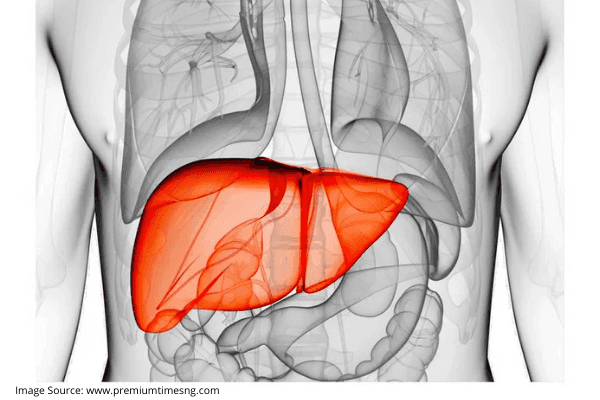
Liver Transplant: Symptoms That May Indicate Advanced Liver Disease
Liver disease can progress gradually, often without noticeable symptoms in the early stages. As liver function declines, symptoms may become more apparent and may signal the need for specialist evaluation.

Living Donor vs Deceased Donor Liver Transplant: Key Differences Explained
Liver transplantation can be performed using a liver from a deceased donor or a portion of liver from a living donor. Both approaches are well-established and effective. Understanding the differences helps patients choose the most appropriate option.
Preparing for Liver Transplant Surgery: Steps Before the Procedure
Preparing for liver transplant surgery involves medical, physical, and emotional readiness. Proper preparation improves surgical outcomes and recovery.
Risks and Complications of Liver Transplant: What Patients Should Understand
Liver transplant is a major surgical procedure that offers life-saving benefits for people with advanced liver disease. Like all complex medical treatments, it carries potential risks and complications. Understanding these risks helps patients and families make informed decisions and prepare for recovery.

Best Epilepsy Treatment in Kerala – Dr. Syamlal S
Epilepsy treatment in Kerala is most effective when managed by the best epilepsy specialist in Kerala, such as [Dr. Syamlal S](https://www.kimshealth.org/trivandrum/doctor/dr-syamlal-s), a leading epilepsy doctor in Kerala known for accurate diagnosis, advanced seizure treatment, and long-term neurological care. Most epilepsy cases can be successfully controlled with proper medical management.
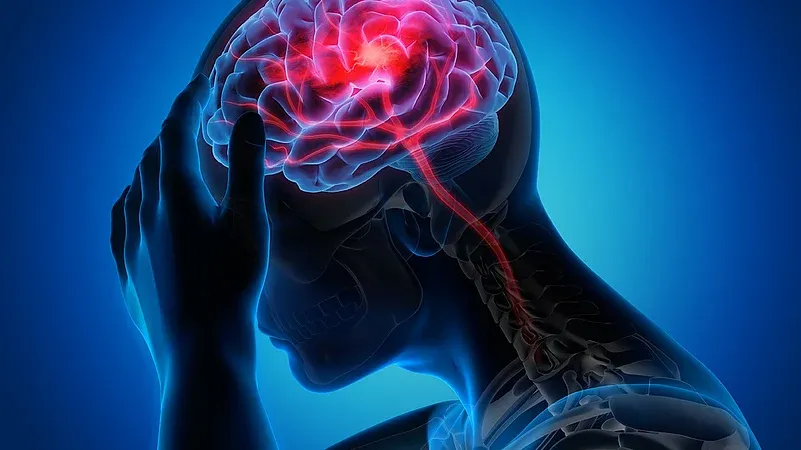
Best Stroke Treatment in Kerala
Stroke treatment in Kerala is most effective when delivered within the golden hour by experienced neurologists like Dr. Syamlal S, who specialises in rapid diagnosis, emergency stroke management, and long-term rehabilitation. Early intervention significantly reduces disability and improves recovery outcomes.
EPILEPSY TREATMENT & SURGERY IN KERALA
If you are searching for the best epilepsy treatment in Kerala or the top epilepsy specialist in Trivandrum, KIMSHEALTH—led by experts like Dr. Syamlal S—offers world-class, comprehensive epilepsy care with outcomes comparable to leading international centres.
Parkinson’s Disease Treatment in Kerala
KIMSHEALTH, under the expert care of Dr. Sandhya Manorenj, is among the best centres for Parkinson’s Disease treatment in Trivandrum, Kerala, and South India, offering world-class diagnosis, advanced therapies, and holistic rehabilitation tailored to each patient.

STROKE TREATMENT IN TRIVANDRUM
KIMSHEALTH offers advanced stroke treatment in Thiruvananthapuram, providing 24x7 emergency care, rapid diagnosis, and life-saving interventions.

Ten Effective Remedies That You Can Refer to When You Are Suffering from Muscle Cramps
Finally starting off with the gym life can get too overwhelming until you hit those muscle cramps along with the weights.

Skin Tags - Benign Tumor or Cancerous Tumor?
Skin tag if observed is a narrow stalk that hangs about your skin, bulging at the end. They are usually freshly colored and can grow anywhere on your body.
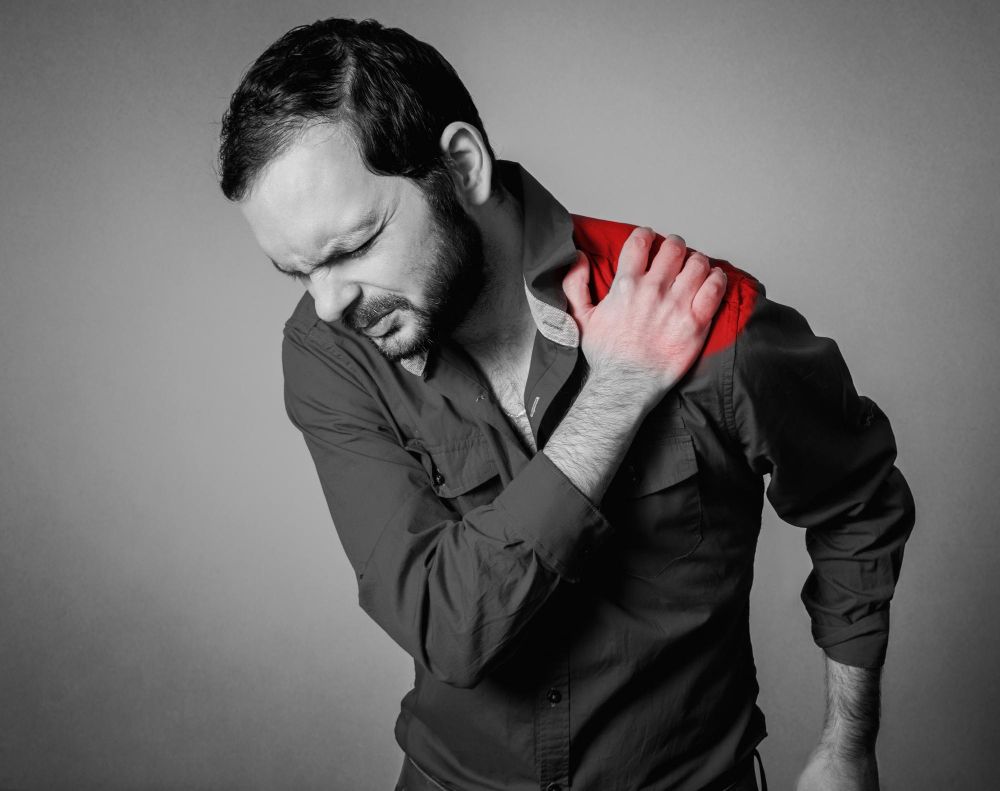
Rotator Cuff Tear
A rotator cuff tear is a rotator cuff injury that can cause shoulder pain and loss of arm function. The rotator cuff is a set of muscles and tendons in your shoulder.

Importance of Parental Counselling
Right from the moment you tell your friends and family about your pregnancy, little hints keep coming your way on parenting your unborn child!

Taking Care of a Terminal Patient? Here Are Six Ways to Help Them to the Fullest
A terminally ill patient is someone who has a relatively short life expectancy. Terminally ill people are usually shifted from an actively curative medicinal regime

Stages of Tooth Decay and Their Treatment Options
Tooth decay refers to the degradation process of the structure of the tooth resulting in permanent damage.

12 Home Remedies for Dry Cough
The flu, common cold, asthma, cigarette smoke exposure, and other conditions can all cause a dry cough. Home remedies such as honey, peppermint, and air purifiers may be beneficial.
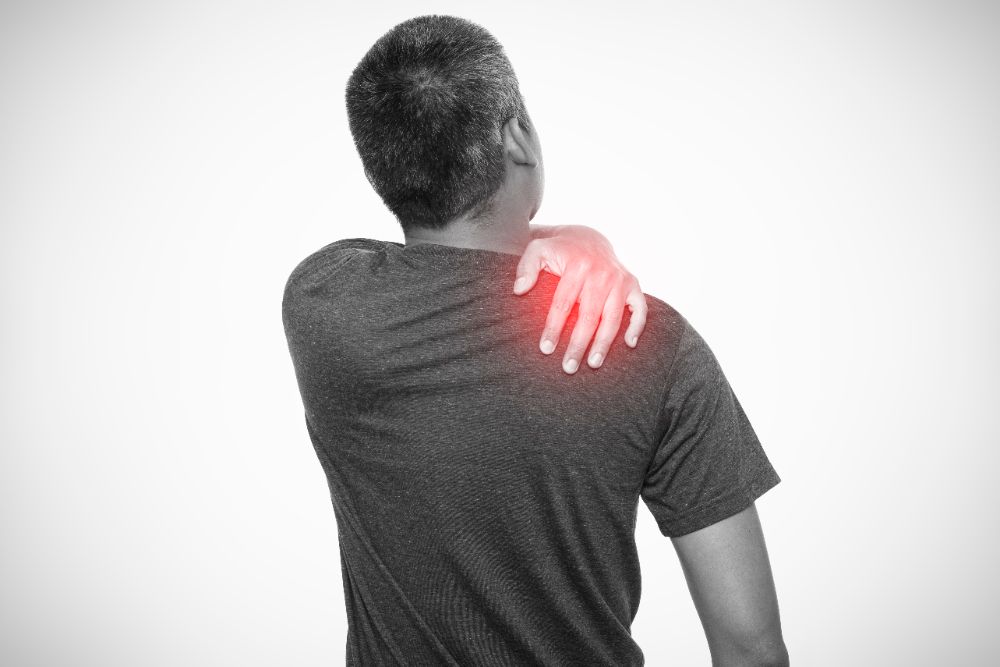
Shoulder Dislocation
Shoulder dislocation occurs when the bones of your shoulder joint are pushed or forced out of their normal positions.

5 Facts to Keep in Mind for Your Monthly Menstruation Cycle
Our menstruation indicates multiple activities within your body. Every month, your uterus forms a thicker lining for the ovary to release an egg for a possible pregnancy.
Different Types of Diabetes
Junk food and increasing physical activity are leading to a worldwide epidemic of obesity, resulting in diseases like diabetes
Related Blogs
Can Epilepsy Be Cured Permanently? Treatment Options Explained
At KIMSHEALTH, expert neurologists provide advanced epilepsy diagnosis and treatment in Thiruvananthapuram using modern technologies including Video EEG monitoring and epilepsy surgery.
Diet and Lifestyle Before and After Liver Transplant
Nutrition and lifestyle choices play an important role both before and after liver transplant. Proper care supports recovery, reduces complications, and improves long-term health.