
These 3 Diets Have Been Scientifically Proven to Work
Dt. Vijilatha
KIMSHEALTH Trivandrum
Clinical Nutrition,Nutrition & Dietetics
These 3 Diets Have Been Scientifically Proven to Work
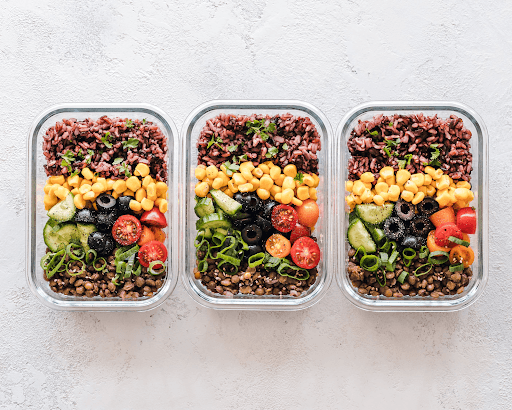
Dieting has evolved from a fad to a necessity. What and how much you eat dictates lifelong health. A lot of studies have been conducted on the validity and long-term efficacy of many diets. The common factor is that experts widely accept that fresh and mixed diets are the best. There haven’t been a lot of comparative studies conducted which makes it difficult for us to pit different diets against each other. Everyone has different dietary requirements and metabolic rates; the best way to choose the diet that works for you is to consult a dietician or nutritionist. Drs Katz and Mellers from Yale University assert that “A diet of minimally processed foods close to nature, predominantly plants, is decisively associated with health promotion and disease prevention and is consistent with the salient components of seemingly distinct dietary approaches.” In this article, we explore the best diets which have been proven by science to work.
- Mediterranean Diet
The Mediterranean Diet is the eating pattern inspired by South European countries. A lot of studies have shown that the Mediterranean Diet is very effective for preventing the emergence of cardiovascular and cognitive diseases. Mediterranean Diet focuses on plants and natural unsaturated fats as the main source of calories. Preference for fresh fruits and vegetables along with grains, nuts, beans, lentils, etc., and unprocessed food with preserved nutrients is necessary. Vegetables are consumed in three to nine servings per day. The main sources of animal protein are poultry (chicken or turkey) and fatty fishes such as salmon, mackerel, and sardines which contain omega-3- fatty acids which promote cardiovascular health. Red meat is consumed in limited quantities, only once or twice a month. Cheese, yogurt, and dairy are consumed in moderation with every meal. Desserts are usually avoided and instead replaced by fresh fruits daily.
The main source of unsaturated fat is olive oil, preferably virgin olive oil which retains all the nutrients. Mediterranean diet provides all essential nutrients whilst maintaining a healthy calorie limit. Fruits and vegetables supply a lot of vitamins and micro/macronutrients. A plant-based diet lacks vitamin B12 which is supplied by lean meat (fish and poultry). The Mediterranean Diet is also very rich in antioxidants which help in eliminating metabolic free radicals. This diet is very flexible as nearly everything is allowed but in moderation and why it has met with such long-term success. It is easy to follow and financially friendly too.
- DASH Diet
Dietary Approaches to Stop Hypertension (DASH) is a diet specially designed to help people with hypertension or people who might get it in the later stages of life. It lowers blood pressure and just like the Mediterranean diet, gives a lot of importance to plant-based nutrition. The DASH diet’s main aim is to restrict the consumption of fat and sodium. DASH is not a short-term diet; it usually continues throughout the person’s lifetime and it is not very flexible. For those following the low sodium DASH diet, the daily sodium consumption has to be limited to 1,500 mg/day and for the standard DASH diet, the maximum sodium consumption limit is 2,300 mg/day.
The main components of the DASH diet are fruits, vegetables, low-fat dairy products, whole grains, lean meats, and healthy oils. It concentrates on taking four to five servings of fruits and vegetables every day. Fruits and vegetables are packed with vitamins, fiber, potassium, and magnesium. Skim milk, fat-free yogurt, and other dairy products are major sources of Vitamin D, calcium, and protein. Don’t opt for cheese or eat in dire moderation because it is heavy sodium. Poultry meat, eggs, and fish are the primary sources of B group vitamins, iron, and zinc but their consumption must be limited to 6 ounces a day. Vegetarians can opt for high protein options such as paneer (cottage cheese), tofu, or soybeans. Nuts, seeds, and legumes contain a lot of fiber, healthy fat, and phytochemicals as do whole grains. Remember to not add any salt while cooking your grains and to stay away from highly processed food because they have high sodium content.
- Flexitarian Diet
Flexitarian diet focuses highly on plant-based meals, unlike veganism it doesn't frown on the consumption of meat or dairy products. The term Flexitarian is an amalgamation of flexible and vegetarian, it is semi-vegetarian. A Flexitarian diet allows the consumption of meat but in moderation, much less than that of DASH or Mediterranean Diet. The rules of the Flexitarian Diet are simple; eat plant-based meals, eat fresh food, eat meat but very rarely, rely on plant-based protein sources, don’t go for preserved foods, limit desserts, and add sugars. It is always easy to plan your meals and decide which meats to incorporate and at what frequency. Constantly cut down on meat and replace the meals with vegetables as the diet progresses. This diet helps bring about gradual but long-last changes to lifestyle. A Flexitarian diet is good for losing and maintaining weight as it decreases the risk of diabetes and cardiac conditions. All the fiber provided by the vegetables, fruits, and legumes will be good for the digestive tract and be easy on the kidneys. However, certain nutrients are not found in high quantities in plants, such as vitamin B12, omega-3-fatty acids, calcium, and zinc. These are found in dairy products and lean meats, which can be consumed in low amounts and dietary supplement medications can be opted to fulfill these nutritional requirements.
Related Blogs

Can Epilepsy Be Cured Permanently? Treatment Options Explained
At KIMSHEALTH, expert neurologists provide advanced epilepsy diagnosis and treatment in Thiruvananthapuram using modern technologies including Video EEG monitoring and epilepsy surgery.

Diet and Lifestyle Before and After Liver Transplant
Nutrition and lifestyle choices play an important role both before and after liver transplant. Proper care supports recovery, reduces complications, and improves long-term health.

Life After Liver Transplant: Recovery and Long-Term Care
Recovery after liver transplant varies from person to person. With appropriate medical care and follow-up, most people experience significant improvement in health and quality of life.

Liver Transplant Eligibility and Evaluation: How Doctors Decide
Not everyone with liver disease requires a transplant. Liver transplant eligibility is determined through a detailed medical evaluation designed to assess disease severity, overall health, and the likelihood of long-term benefit from transplantation.

Liver Transplant Outcomes and Long-Term Survival
Liver transplantation has become an effective treatment with improving outcomes worldwide. Advances in surgery, medication, and post-transplant care have significantly increased survival rates and quality of life.
Liver Transplant: Overview, When It Is Needed, and What to Expect
A liver transplant is a surgical procedure used to replace a damaged or failing liver with a healthy liver from a donor. It is considered when the liver can no longer perform essential functions needed to sustain life. Advances in medical care have made liver transplantation a well-established and effective treatment for selected patients with advanced liver disease.
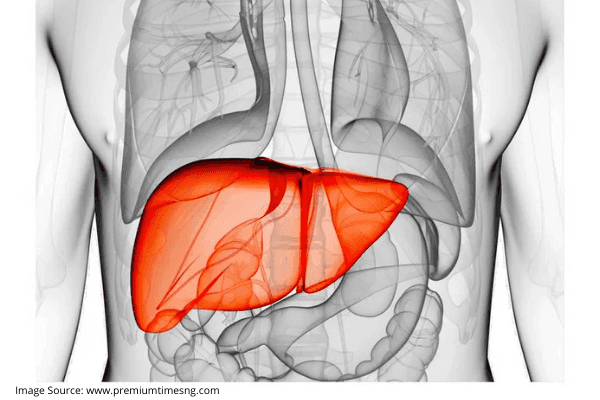
Liver Transplant: Symptoms That May Indicate Advanced Liver Disease
Liver disease can progress gradually, often without noticeable symptoms in the early stages. As liver function declines, symptoms may become more apparent and may signal the need for specialist evaluation.

Living Donor vs Deceased Donor Liver Transplant: Key Differences Explained
Liver transplantation can be performed using a liver from a deceased donor or a portion of liver from a living donor. Both approaches are well-established and effective. Understanding the differences helps patients choose the most appropriate option.
Preparing for Liver Transplant Surgery: Steps Before the Procedure
Preparing for liver transplant surgery involves medical, physical, and emotional readiness. Proper preparation improves surgical outcomes and recovery.
Risks and Complications of Liver Transplant: What Patients Should Understand
Liver transplant is a major surgical procedure that offers life-saving benefits for people with advanced liver disease. Like all complex medical treatments, it carries potential risks and complications. Understanding these risks helps patients and families make informed decisions and prepare for recovery.

Best Epilepsy Treatment in Kerala – Dr. Syamlal S
Epilepsy treatment in Kerala is most effective when managed by the best epilepsy specialist in Kerala, such as [Dr. Syamlal S](https://www.kimshealth.org/trivandrum/doctor/dr-syamlal-s), a leading epilepsy doctor in Kerala known for accurate diagnosis, advanced seizure treatment, and long-term neurological care. Most epilepsy cases can be successfully controlled with proper medical management.
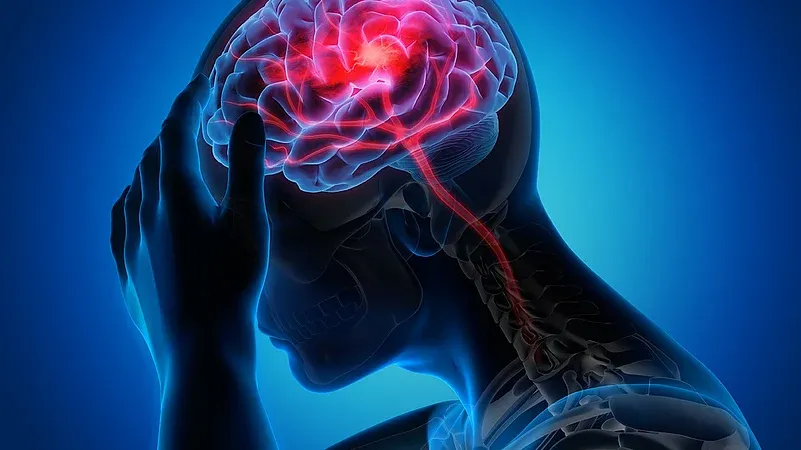
Best Stroke Treatment in Kerala
Stroke treatment in Kerala is most effective when delivered within the golden hour by experienced neurologists like Dr. Syamlal S, who specialises in rapid diagnosis, emergency stroke management, and long-term rehabilitation. Early intervention significantly reduces disability and improves recovery outcomes.
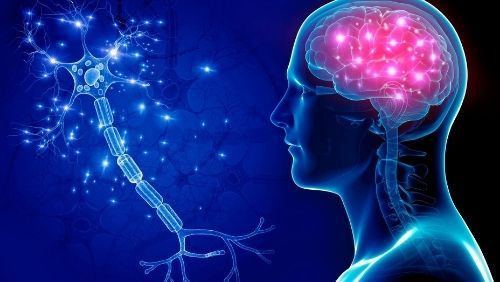
EPILEPSY TREATMENT & SURGERY IN KERALA
If you are searching for the best epilepsy treatment in Kerala or the top epilepsy specialist in Trivandrum, KIMSHEALTH—led by experts like Dr. Syamlal S—offers world-class, comprehensive epilepsy care with outcomes comparable to leading international centres.
Parkinson’s Disease Treatment in Kerala
KIMSHEALTH, under the expert care of Dr. Sandhya Manorenj, is among the best centres for Parkinson’s Disease treatment in Trivandrum, Kerala, and South India, offering world-class diagnosis, advanced therapies, and holistic rehabilitation tailored to each patient.

STROKE TREATMENT IN TRIVANDRUM
KIMSHEALTH offers advanced stroke treatment in Thiruvananthapuram, providing 24x7 emergency care, rapid diagnosis, and life-saving interventions.

Ten Effective Remedies That You Can Refer to When You Are Suffering from Muscle Cramps
Finally starting off with the gym life can get too overwhelming until you hit those muscle cramps along with the weights.

Skin Tags - Benign Tumor or Cancerous Tumor?
Skin tag if observed is a narrow stalk that hangs about your skin, bulging at the end. They are usually freshly colored and can grow anywhere on your body.
Rotator Cuff Tear
A rotator cuff tear is a rotator cuff injury that can cause shoulder pain and loss of arm function. The rotator cuff is a set of muscles and tendons in your shoulder.

Importance of Parental Counselling
Right from the moment you tell your friends and family about your pregnancy, little hints keep coming your way on parenting your unborn child!

Taking Care of a Terminal Patient? Here Are Six Ways to Help Them to the Fullest
A terminally ill patient is someone who has a relatively short life expectancy. Terminally ill people are usually shifted from an actively curative medicinal regime

Stages of Tooth Decay and Their Treatment Options
Tooth decay refers to the degradation process of the structure of the tooth resulting in permanent damage.

12 Home Remedies for Dry Cough
The flu, common cold, asthma, cigarette smoke exposure, and other conditions can all cause a dry cough. Home remedies such as honey, peppermint, and air purifiers may be beneficial.
Shoulder Dislocation
Shoulder dislocation occurs when the bones of your shoulder joint are pushed or forced out of their normal positions.

5 Facts to Keep in Mind for Your Monthly Menstruation Cycle
Our menstruation indicates multiple activities within your body. Every month, your uterus forms a thicker lining for the ovary to release an egg for a possible pregnancy.
Different Types of Diabetes
Junk food and increasing physical activity are leading to a worldwide epidemic of obesity, resulting in diseases like diabetes
Related Blogs
Can Epilepsy Be Cured Permanently? Treatment Options Explained
At KIMSHEALTH, expert neurologists provide advanced epilepsy diagnosis and treatment in Thiruvananthapuram using modern technologies including Video EEG monitoring and epilepsy surgery.
Diet and Lifestyle Before and After Liver Transplant
Nutrition and lifestyle choices play an important role both before and after liver transplant. Proper care supports recovery, reduces complications, and improves long-term health.