


Things to Know About Childhood Depression
Dr. Kalpana D
KIMSHEALTH Trivandrum
Pediatric Neurology,Pediatrics,Neurosciences
Things to Know About Childhood Depression
Depression is something that affects children and adults alike and children as young as 3 years old have been documented to have undergone depression. Even babies are believed to undergo periods of depression when they don’t want to feed, nap, cry inconsolably and become unresponsive and lethargic.
The biggest problem about childhood depression is that most people are in denial about its existence. But denial doesn’t make it go away unfortunately. In many instances childhood, depression goes undiagnosed and untreated and considered as normal growing-up pains. Most childhood mental problems are recognized only when they have become too severe or complicated to treat. About 10% of children aged between 5 and 16 undergo some level of emotional disorders including anxiety and depression. Usually, boys are prone to depression until the age of 10 while girls are more prone after the age of 16.
Though normal life always has some level of ups and downs, but when it becomes long-lasting and results in sadness, irritability, silence, loss of sleep and appetite, or tearfulness for no obvious reason, then it’s something more than just the ups and downs disturbing your child. Along with this, if the child is also losing interest in school activities and isolating him or herself socially, then it’s definitely a case of emotional problems that needs careful attention. If left untreated it may even lead the child to take the extreme step of suicide.
The first step is for the primary care-giver, usually the parent to talk with the child about what’s troubling them without trivializing their problem. If the child is still not able to open up, maybe some professional counseling may help and if it is severe enough, some antidepressant medications might be prescribed.
Basically, all children need to be loved, respected and valued in an unconditional and positive way, which goes a long way in boosting their self-esteem and self-confidence. Though all kids have days when they feel blue, it doesn’t necessarily mean they have clinical depression. But when the parents have had depression too, then there is greater likelihood of their children also developing emotional issues. There are no specific tests to diagnose depression, but questionnaires and interviews with health professionals help.
Treatment is by psychotherapy and medications, just like in adults. A combination of the two is most effective, even though parents usually have reservations about the use of anti-depressants in children.
Depression usually accompanies the onset of some physical illness and usually presents in episodes. There can be spontaneous recovery from one episode till the next episode is triggered off. Once a child is seen to be getting repeatedly depressed, parents should take action as it can prove to be lethal if left unattended.
About 40% of children with depression also have OCD, ADHD, learning disorders or anxiety disorders, so it becomes difficult for the doctor to identify between co-existing conditions and their symptoms and treat them accordingly.
Related Blogs

Can Epilepsy Be Cured Permanently? Treatment Options Explained
At KIMSHEALTH, expert neurologists provide advanced epilepsy diagnosis and treatment in Thiruvananthapuram using modern technologies including Video EEG monitoring and epilepsy surgery.

Diet and Lifestyle Before and After Liver Transplant
Nutrition and lifestyle choices play an important role both before and after liver transplant. Proper care supports recovery, reduces complications, and improves long-term health.

Life After Liver Transplant: Recovery and Long-Term Care
Recovery after liver transplant varies from person to person. With appropriate medical care and follow-up, most people experience significant improvement in health and quality of life.

Liver Transplant Eligibility and Evaluation: How Doctors Decide
Not everyone with liver disease requires a transplant. Liver transplant eligibility is determined through a detailed medical evaluation designed to assess disease severity, overall health, and the likelihood of long-term benefit from transplantation.

Liver Transplant Outcomes and Long-Term Survival
Liver transplantation has become an effective treatment with improving outcomes worldwide. Advances in surgery, medication, and post-transplant care have significantly increased survival rates and quality of life.
Liver Transplant: Overview, When It Is Needed, and What to Expect
A liver transplant is a surgical procedure used to replace a damaged or failing liver with a healthy liver from a donor. It is considered when the liver can no longer perform essential functions needed to sustain life. Advances in medical care have made liver transplantation a well-established and effective treatment for selected patients with advanced liver disease.
Liver Transplant: Symptoms That May Indicate Advanced Liver Disease
Liver disease can progress gradually, often without noticeable symptoms in the early stages. As liver function declines, symptoms may become more apparent and may signal the need for specialist evaluation.

Living Donor vs Deceased Donor Liver Transplant: Key Differences Explained
Liver transplantation can be performed using a liver from a deceased donor or a portion of liver from a living donor. Both approaches are well-established and effective. Understanding the differences helps patients choose the most appropriate option.
Preparing for Liver Transplant Surgery: Steps Before the Procedure
Preparing for liver transplant surgery involves medical, physical, and emotional readiness. Proper preparation improves surgical outcomes and recovery.
Risks and Complications of Liver Transplant: What Patients Should Understand
Liver transplant is a major surgical procedure that offers life-saving benefits for people with advanced liver disease. Like all complex medical treatments, it carries potential risks and complications. Understanding these risks helps patients and families make informed decisions and prepare for recovery.

Best Epilepsy Treatment in Kerala – Dr. Syamlal S
Epilepsy treatment in Kerala is most effective when managed by the best epilepsy specialist in Kerala, such as [Dr. Syamlal S](https://www.kimshealth.org/trivandrum/doctor/dr-syamlal-s), a leading epilepsy doctor in Kerala known for accurate diagnosis, advanced seizure treatment, and long-term neurological care. Most epilepsy cases can be successfully controlled with proper medical management.
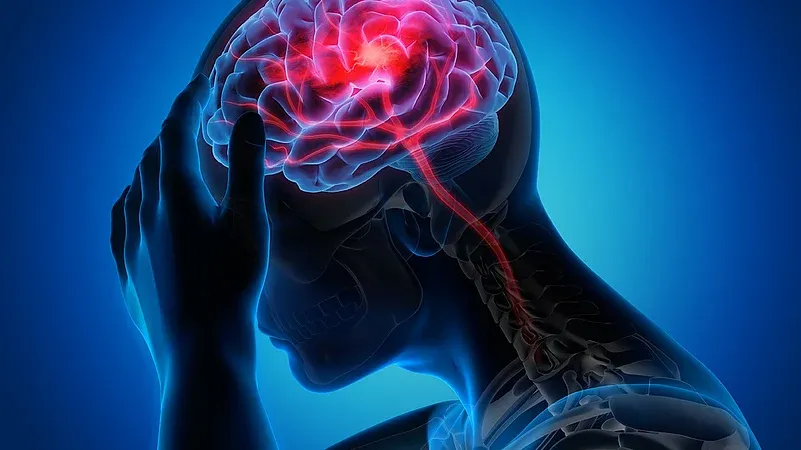
Best Stroke Treatment in Kerala
Stroke treatment in Kerala is most effective when delivered within the golden hour by experienced neurologists like Dr. Syamlal S, who specialises in rapid diagnosis, emergency stroke management, and long-term rehabilitation. Early intervention significantly reduces disability and improves recovery outcomes.
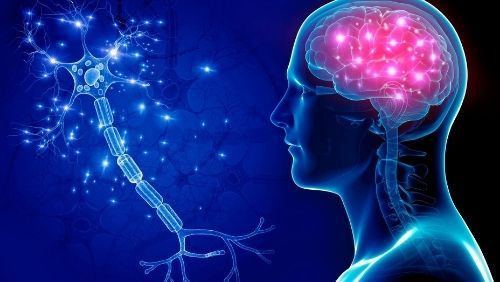
EPILEPSY TREATMENT & SURGERY IN KERALA
If you are searching for the best epilepsy treatment in Kerala or the top epilepsy specialist in Trivandrum, KIMSHEALTH—led by experts like Dr. Syamlal S—offers world-class, comprehensive epilepsy care with outcomes comparable to leading international centres.
Parkinson’s Disease Treatment in Kerala
KIMSHEALTH, under the expert care of Dr. Sandhya Manorenj, is among the best centres for Parkinson’s Disease treatment in Trivandrum, Kerala, and South India, offering world-class diagnosis, advanced therapies, and holistic rehabilitation tailored to each patient.
STROKE TREATMENT IN TRIVANDRUM
KIMSHEALTH offers advanced stroke treatment in Thiruvananthapuram, providing 24x7 emergency care, rapid diagnosis, and life-saving interventions.

Ten Effective Remedies That You Can Refer to When You Are Suffering from Muscle Cramps
Finally starting off with the gym life can get too overwhelming until you hit those muscle cramps along with the weights.

Skin Tags - Benign Tumor or Cancerous Tumor?
Skin tag if observed is a narrow stalk that hangs about your skin, bulging at the end. They are usually freshly colored and can grow anywhere on your body.
Rotator Cuff Tear
A rotator cuff tear is a rotator cuff injury that can cause shoulder pain and loss of arm function. The rotator cuff is a set of muscles and tendons in your shoulder.

Importance of Parental Counselling
Right from the moment you tell your friends and family about your pregnancy, little hints keep coming your way on parenting your unborn child!

Taking Care of a Terminal Patient? Here Are Six Ways to Help Them to the Fullest
A terminally ill patient is someone who has a relatively short life expectancy. Terminally ill people are usually shifted from an actively curative medicinal regime

Stages of Tooth Decay and Their Treatment Options
Tooth decay refers to the degradation process of the structure of the tooth resulting in permanent damage.

12 Home Remedies for Dry Cough
The flu, common cold, asthma, cigarette smoke exposure, and other conditions can all cause a dry cough. Home remedies such as honey, peppermint, and air purifiers may be beneficial.
Shoulder Dislocation
Shoulder dislocation occurs when the bones of your shoulder joint are pushed or forced out of their normal positions.

5 Facts to Keep in Mind for Your Monthly Menstruation Cycle
Our menstruation indicates multiple activities within your body. Every month, your uterus forms a thicker lining for the ovary to release an egg for a possible pregnancy.
Different Types of Diabetes
Junk food and increasing physical activity are leading to a worldwide epidemic of obesity, resulting in diseases like diabetes
Related Blogs
Can Epilepsy Be Cured Permanently? Treatment Options Explained
At KIMSHEALTH, expert neurologists provide advanced epilepsy diagnosis and treatment in Thiruvananthapuram using modern technologies including Video EEG monitoring and epilepsy surgery.
Diet and Lifestyle Before and After Liver Transplant
Nutrition and lifestyle choices play an important role both before and after liver transplant. Proper care supports recovery, reduces complications, and improves long-term health.