

What not to eat during pregnancy: 6 foods you must avoid
Dr. Sajith Mohan R
KIMSHEALTH Trivandrum
Obstetrics & Gynecology,Robotic Surgery
What not to eat during pregnancy: 6 foods you must avoid
Pregnancy is an extremely vital and overwhelming phase in a woman’s life. While a woman prepares physically and mentally to adopt the role of a mother, it is highly important to keep the body and mind ready for the change. This can be done only by being aware of the changes one’s body undergoes and adapting food habits and a general lifestyle that complements this change. A woman’s health defines many important aspects of the baby’s health. Hence, it is highly imperative to watch one’s diet if pregnant. While there are a number of food varieties that are shown to enable a healthy pregnancy, there are some items best avoided during this time. Here is a list of 6 foods to be avoided:
Unprocessed and Raw Seafood
While this category of food is often avoided by all, seafood, particularly those rich in mercury, have caused detrimental effects on the growth of the baby. The Food and Drug Association (FDA) encourages to avoid fish like king mackerel, shark and bigeye tuna. Catfish, cod, and herring are much safer alternative sources of protein. Also, avoid raw seafood like sushi and consume only safe and cooked seafood. Ensure that the procured fish is from areas with clean water as the toxic chemicals can affect the development of the nervous system of the baby.
Excess Caffeine
The research around caffeine consumption during pregnancy has multiple conflicting views. In this scenario, it is best to keep an eye on one’s intake of caffeinated products. Consume caffeine and related products in a minimal amount. Try to consume freshly ground coffee and do not have more than 300mg of caffeine per day - which is about two cups of coffee. Older research suggests that coffee could lead to low birth weight of the baby.
Unpasteurized Products
While you do not have to completely stop your intake of cheese and other dairy products, avoid unpasteurized and raw cheese. Research from the NCBI suggests that these products contain a lot of bacteria which can lead to harmful and even life-threatening effects on the baby. Avoid soft cheeses unless they are clearly labeled as pasteurized. Pasteurized milk provides a very safe alternative and is extremely healthy for the mother and baby.
Avoid Alcohol
This is no surprise addition to the list - alcohol is known to cause FASD or Fetal Alcohol Syndrome Disorders. These are a series of disorders caused due to consumption of alcohol where it passes on to the baby through the umbilical cord. FASD manifests through multiple symptoms like abnormal facial features, small head size, low body weight, hyperactive behavior, difficulty in school and learning disabilities, vision and hearing problems, as well as problems with the hearts and kidneys. Clearly, it is imperative that you avoid alcohol at all costs. If you have consumed alcohol before, consult your doctor immediately. The neural development of a baby happens over months and there is still time to rectify the situation.
Avoid Raw Meats
Pregnancy increases the probability of bacterial food poisoning, hence, it is best to avoid raw and unprocessed meats during this period. Hot dogs and luncheon meats are common sources of bacterial illness due to the presence of a bacteria listeria. Women who are pregnant are most likely to contract this bacteria due to changes in the hormone and immune system, so cooking these meats properly or better avoiding them during pregnancy is necessary. Raw eggs and poultry can be very harmful too. Make sure that all non-vegetarian food is sourced from safe and reliable places and cooked properly.
Avoid Unwashed Fruits and Vegetables
While fruits and vegetables are considered the best sources of nutrients, it is important to consume them the right way. Wash all of the food thoroughly to remove any harmful bacteria. Avoid raw sprouts like radish and mung bean as they are also strong sources of bacteria. If at all you have to consume sprouts, take extra care to ensure they are cooked properly. Another step to take towards eating healthy is to avoid processed foods. It is highly recommended to consume whole foods as they are rich in nutrients. Processed food products are not rich in nutrients and merely increases calorie and sugar intake, which is quite unhealthy. Avoid junk food as it is generally not healthy and does not help the growth of the baby in any way. In fact, this can lead to gestational diabetes and cause unnecessary complications in the delivery of the baby. The baby could also be born overweight which could carry on to overweight and obesity as an adult. Consume whole-grain food which is rich in folic acid, as this helps in the growth of the baby. Some key and healthy sources of protein are eggs, beans, and salmon; ensure that you cook all these foods properly to avoid indigestion, food poisoning or other complications. Berries and other citrus fruits in the right amount provide an adequate amount of vitamin C for the baby. Ensure that you stay away from allergens by noting down your reactions and consulting a doctor. Pregnancy is a period of happiness and joy, so take care of yourself and your little one’s health by watching your diet!
Related Blogs

Can Epilepsy Be Cured Permanently? Treatment Options Explained
At KIMSHEALTH, expert neurologists provide advanced epilepsy diagnosis and treatment in Thiruvananthapuram using modern technologies including Video EEG monitoring and epilepsy surgery.
Diet and Lifestyle Before and After Liver Transplant
Nutrition and lifestyle choices play an important role both before and after liver transplant. Proper care supports recovery, reduces complications, and improves long-term health.

Life After Liver Transplant: Recovery and Long-Term Care
Recovery after liver transplant varies from person to person. With appropriate medical care and follow-up, most people experience significant improvement in health and quality of life.

Liver Transplant Eligibility and Evaluation: How Doctors Decide
Not everyone with liver disease requires a transplant. Liver transplant eligibility is determined through a detailed medical evaluation designed to assess disease severity, overall health, and the likelihood of long-term benefit from transplantation.

Liver Transplant Outcomes and Long-Term Survival
Liver transplantation has become an effective treatment with improving outcomes worldwide. Advances in surgery, medication, and post-transplant care have significantly increased survival rates and quality of life.
Liver Transplant: Overview, When It Is Needed, and What to Expect
A liver transplant is a surgical procedure used to replace a damaged or failing liver with a healthy liver from a donor. It is considered when the liver can no longer perform essential functions needed to sustain life. Advances in medical care have made liver transplantation a well-established and effective treatment for selected patients with advanced liver disease.
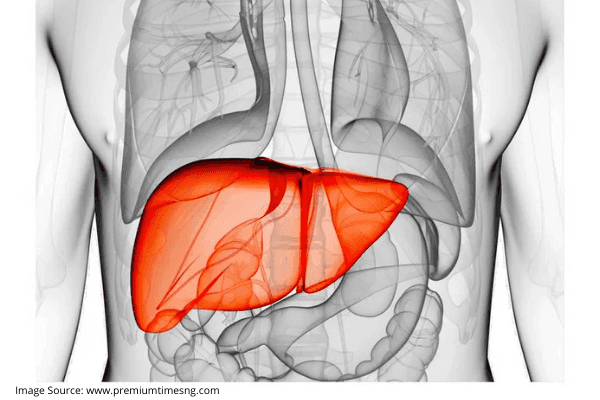
Liver Transplant: Symptoms That May Indicate Advanced Liver Disease
Liver disease can progress gradually, often without noticeable symptoms in the early stages. As liver function declines, symptoms may become more apparent and may signal the need for specialist evaluation.

Living Donor vs Deceased Donor Liver Transplant: Key Differences Explained
Liver transplantation can be performed using a liver from a deceased donor or a portion of liver from a living donor. Both approaches are well-established and effective. Understanding the differences helps patients choose the most appropriate option.
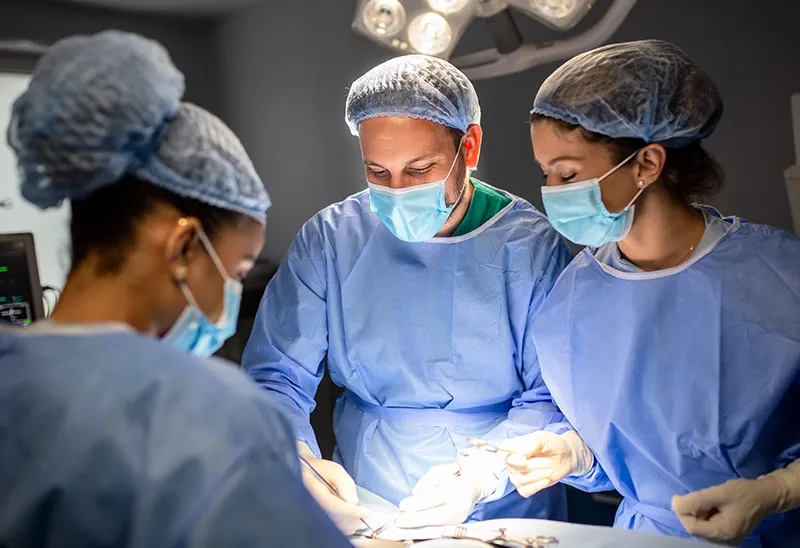
Preparing for Liver Transplant Surgery: Steps Before the Procedure
Preparing for liver transplant surgery involves medical, physical, and emotional readiness. Proper preparation improves surgical outcomes and recovery.
Risks and Complications of Liver Transplant: What Patients Should Understand
Liver transplant is a major surgical procedure that offers life-saving benefits for people with advanced liver disease. Like all complex medical treatments, it carries potential risks and complications. Understanding these risks helps patients and families make informed decisions and prepare for recovery.

Best Epilepsy Treatment in Kerala – Dr. Syamlal S
Epilepsy treatment in Kerala is most effective when managed by the best epilepsy specialist in Kerala, such as [Dr. Syamlal S](https://www.kimshealth.org/trivandrum/doctor/dr-syamlal-s), a leading epilepsy doctor in Kerala known for accurate diagnosis, advanced seizure treatment, and long-term neurological care. Most epilepsy cases can be successfully controlled with proper medical management.
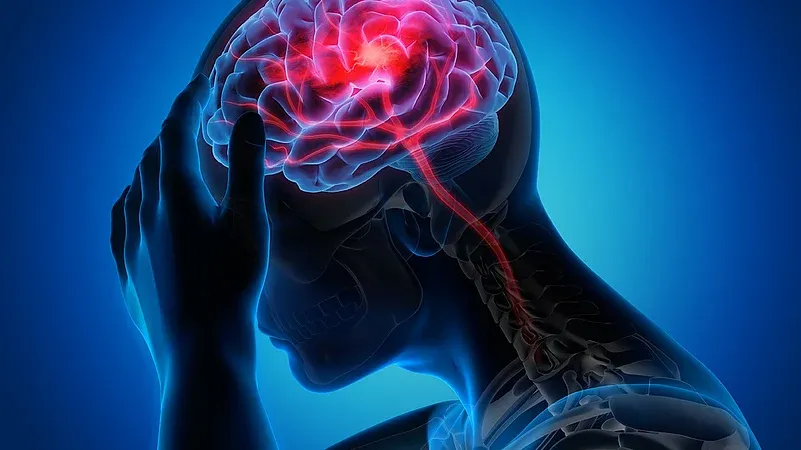
Best Stroke Treatment in Kerala
Stroke treatment in Kerala is most effective when delivered within the golden hour by experienced neurologists like Dr. Syamlal S, who specialises in rapid diagnosis, emergency stroke management, and long-term rehabilitation. Early intervention significantly reduces disability and improves recovery outcomes.
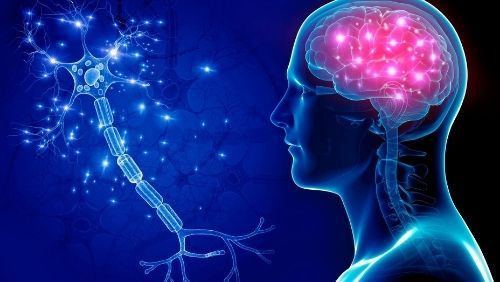
EPILEPSY TREATMENT & SURGERY IN KERALA
If you are searching for the best epilepsy treatment in Kerala or the top epilepsy specialist in Trivandrum, KIMSHEALTH—led by experts like Dr. Syamlal S—offers world-class, comprehensive epilepsy care with outcomes comparable to leading international centres.
Parkinson’s Disease Treatment in Kerala
KIMSHEALTH, under the expert care of Dr. Sandhya Manorenj, is among the best centres for Parkinson’s Disease treatment in Trivandrum, Kerala, and South India, offering world-class diagnosis, advanced therapies, and holistic rehabilitation tailored to each patient.

STROKE TREATMENT IN TRIVANDRUM
KIMSHEALTH offers advanced stroke treatment in Thiruvananthapuram, providing 24x7 emergency care, rapid diagnosis, and life-saving interventions.
Ten Effective Remedies That You Can Refer to When You Are Suffering from Muscle Cramps
Finally starting off with the gym life can get too overwhelming until you hit those muscle cramps along with the weights.

Skin Tags - Benign Tumor or Cancerous Tumor?
Skin tag if observed is a narrow stalk that hangs about your skin, bulging at the end. They are usually freshly colored and can grow anywhere on your body.
Rotator Cuff Tear
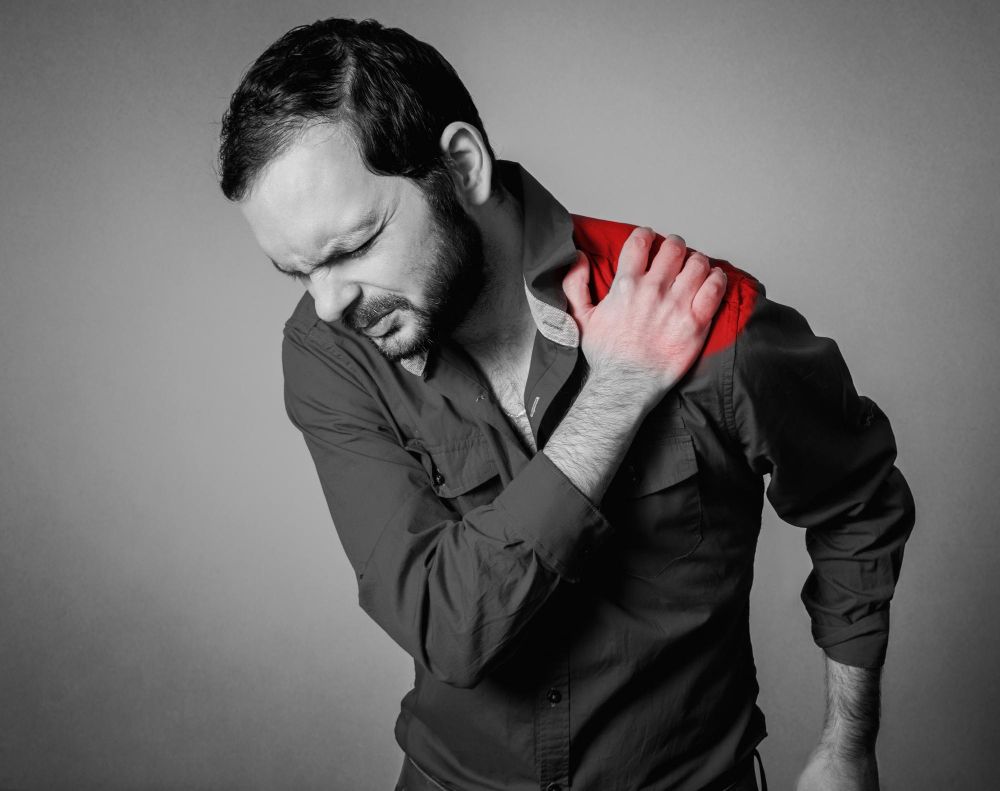
A rotator cuff tear is a rotator cuff injury that can cause shoulder pain and loss of arm function. The rotator cuff is a set of muscles and tendons in your shoulder.

Importance of Parental Counselling
Right from the moment you tell your friends and family about your pregnancy, little hints keep coming your way on parenting your unborn child!
Taking Care of a Terminal Patient? Here Are Six Ways to Help Them to the Fullest
A terminally ill patient is someone who has a relatively short life expectancy. Terminally ill people are usually shifted from an actively curative medicinal regime
Stages of Tooth Decay and Their Treatment Options
Tooth decay refers to the degradation process of the structure of the tooth resulting in permanent damage.

12 Home Remedies for Dry Cough
The flu, common cold, asthma, cigarette smoke exposure, and other conditions can all cause a dry cough. Home remedies such as honey, peppermint, and air purifiers may be beneficial.
Shoulder Dislocation
Shoulder dislocation occurs when the bones of your shoulder joint are pushed or forced out of their normal positions.
5 Facts to Keep in Mind for Your Monthly Menstruation Cycle
Our menstruation indicates multiple activities within your body. Every month, your uterus forms a thicker lining for the ovary to release an egg for a possible pregnancy.
Different Types of Diabetes
Junk food and increasing physical activity are leading to a worldwide epidemic of obesity, resulting in diseases like diabetes
Related Blogs
Can Epilepsy Be Cured Permanently? Treatment Options Explained
At KIMSHEALTH, expert neurologists provide advanced epilepsy diagnosis and treatment in Thiruvananthapuram using modern technologies including Video EEG monitoring and epilepsy surgery.
Diet and Lifestyle Before and After Liver Transplant
Nutrition and lifestyle choices play an important role both before and after liver transplant. Proper care supports recovery, reduces complications, and improves long-term health.