

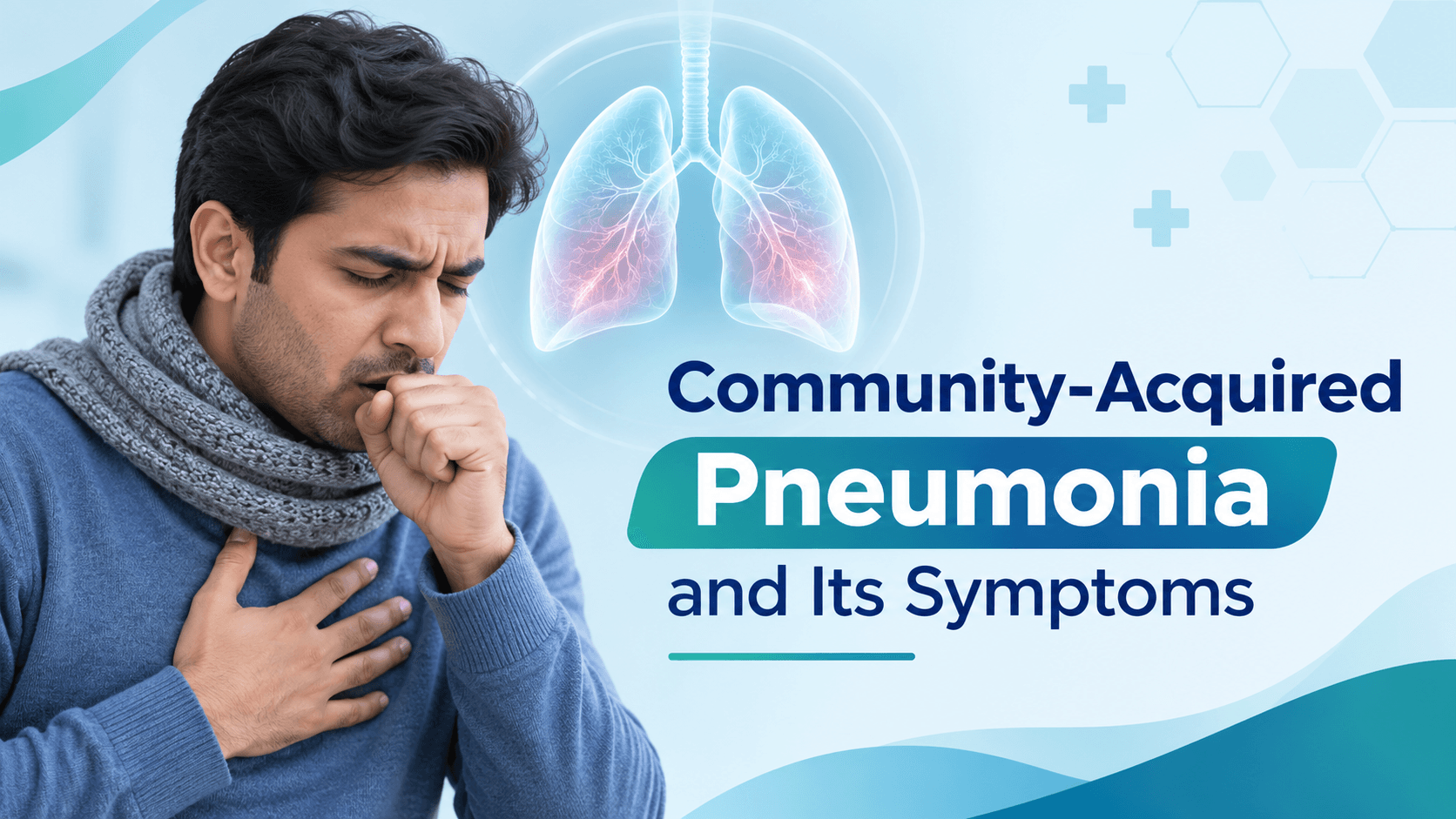
Community-Acquired Pneumonia and Its Symptoms
Dr. Ramesh T K
KIMSHEALTH Nagercoil
Pulmonology
Community-Acquired Pneumonia and Its Symptoms
Pneumonia is an infection primarily caused to the lungs. Community acquired pneumonia occurs when someone gets pneumonia outside a hospital setting. This condition can cause several symptoms in patients, such as cough, fever, chills, extreme fatigue, chest pain (especially when coughing) and even confusion in severe cases. Symptoms can occur slowly or all of a sudden. However, their severity and presentation may vary depending on a person's age and overall health.
What Are the Common Symptoms of Community-Acquired Pneumonia?
The common symptoms of community acquired pneumonia include the following:
• Cough: Patients can cough up blood or yellow or greenish mucus.
• Fever and Chills: Fever can range from mild to high, and chills can occur with shivers.
• Breathlessness: This can occur when patients do activities such as climbing stairs or exerting themselves.
• Chest Pain: A stabbing or sharp pain can occur when the patient coughs or tries to take deep breaths.
• Tiredness: Feeling extremely tired or unwell without a known cause.
• Loss of Appetite: A reduced urge to eat, which can occur along with nausea or vomiting.
• Digestive Discomfort: This includes nausea, vomiting, or diarrhoea.
However, not everyone with pneumonia may experience all these symptoms. Moreover, symptoms can vary based on the severity of the disease and may change from person to person.
How Do Pneumonia Symptoms Differ Across Age Groups?
Pneumonia can cause different symptoms based on age, even though some of them are common.
• Symptoms of Pneumonia in Infants and Children
Common symptoms of pneumonia in children include a stuffy or runny nose, fever (mild or high with sweating), increased heartbeat, and a loud cough. In addition, some children can also show faster-than-usual breathing, nostrils widening, and pulling of the chest inward with each breath. Furthermore, poor feeding, changes in nail and lip colour to blue, or confusion can occur in severe cases.
• Symptoms of Pneumonia in Adults
Adults commonly experience symptoms such as cough, fever, chills, chest discomfort, and breathing difficulties. However, older adults (above 65) do not experience typical fever symptoms. Instead, they experience unusual tiredness, dizziness, and confusion. In addition, they may also experience more digestive symptoms, such as vomiting and diarrhoea and worsening of any existing chronic condition.
When to Seek Medical Attention?
Medical attention is particularly important when the patient shows symptoms related to pneumonia. Consult a doctor promptly for:
• Cough which is constant or worsening
• Chest pain caused by coughing or breathing
• Fever with chills
• Increasing breathlessness
• Coughing up blood-stained mucus
On the other hand, immediate medical attention is very important if the patient experiences the following symptoms:
• Severe difficulty talking or breathing
• Lips, tongue or skin turning blue or grey
• Loss of consciousness
• Sudden change in behaviour, confusion or difficulty staying awake
Hence, seeking medical help early can help determine the severity of the disease and get a prompt treatment.
What Causes Community-Acquired Pneumonia?
Community acquired pneumonia is mainly caused by pathogens such as bacteria, viruses and fungi. These microorganisms can reach a person through food, water, vomit or other liquids. The organism reaching the mouth initially moves to the lungs. Streptococcus pneumoniae (a bacterium) is the main organism that causes pneumonia. Several factors can increase the risk of getting pneumonia, such as:
• A long-term lung disease
• Cigarette smoking
• Immunity problems caused by conditions, such as HIV infection, organ transplant or cancer treatment
• Other chronic conditions such as diabetes, heart disease or liver cirrhosis
• A recent surgery or trauma
Having one or two of these risk factors doesn’t mean that one will definitely get pneumonia. Nevertheless, those with these risk factors should be more cautious.
How is Pneumonia Diagnosed?
Doctors consider symptoms, medical history, and physical examination to suspect pneumonia. Based on the patient's condition, they may recommend tests such as a chest X-ray or a lung ultrasound. Moreover, laboratory tests such as blood or urine tests can also help with the diagnosis. Nonetheless, it's important to note that symptoms alone cannot determine a condition; doctors use several other diagnostic methods along with them for diagnosis.
Can Community-Acquired Pneumonia Be Prevented?
The risk of getting community-acquired pneumonia can be reduced by following some simple things. These include:
• Taking preventive vaccines based on the given schedule (especially important in those with a weakened immune system)
• Washing hands often, such as before eating food, after cleaning or touching the nose, after diapering a baby, after using the washroom or after visiting a sick person
• Maintaining proper distance from a sick person
• Avoiding smoking (smoking can reduce the lungs' ability to fight infections)
• Managing chronic conditions
Nevertheless, pneumonia can even occur after following these preventive measures. Therefore, seeking medical help when you notice any unusual symptoms is very important for early diagnosis and proper care.
Related Blogs


Infant hydrocele - Swelling in Your Baby Boy’s Scrotum: Will It Go Away or Need Surgery?
Doctor, my baby boy’s scrotum looks swollen. He is feeding well and seems comfortable, but I’m worried. Is this normal? Will he need surgery?”



Heart Attack Symptoms: Recognising the Early Warning Signs
Learn the early warning signs of a heart attack and when to seek urgent medical help.

Top 10 Skin Care Tips in 2026
If your skincare goals for 2026 include glowing, radiant skin, you’re definitely not alone. With so many products and routines out there, it can get confusing trying to figure out what actually works.

Ten Effective Remedies That You Can Refer to When You Are Suffering from Muscle Cramps
Finally starting off with the gym life can get too overwhelming until you hit those muscle cramps along with the weights.

ICSI(Intra Cytoplasmic Sperm Injection)
Normally during every mid-menstrual period, one of the 2 ovaries releases an ovum. Each ovum is covered by a membrane called follicle,

Pregnancy and Delivery Care
Nothing could possibly compare to the joy of becoming a parent. After nine long months of waiting, the moment you have been waiting for is almost there:
Some Common Causes of Chest Pain
The first thing that jumps into the mind whenever you have some sort of chest pain is heart attack! It’s only human to feel that way

Organic Food Vs GMO Food: What Should You Pick?
There is no doubt that the quality of food we consume is crucial for our good health. And with more people becoming health conscious the d

Importance of Breastfeeding and Vaccinations for Newborns
Going nature’s way is best when it comes to providing nourishment for the apple of your eye – your baby. Breast milk is best for your baby as it
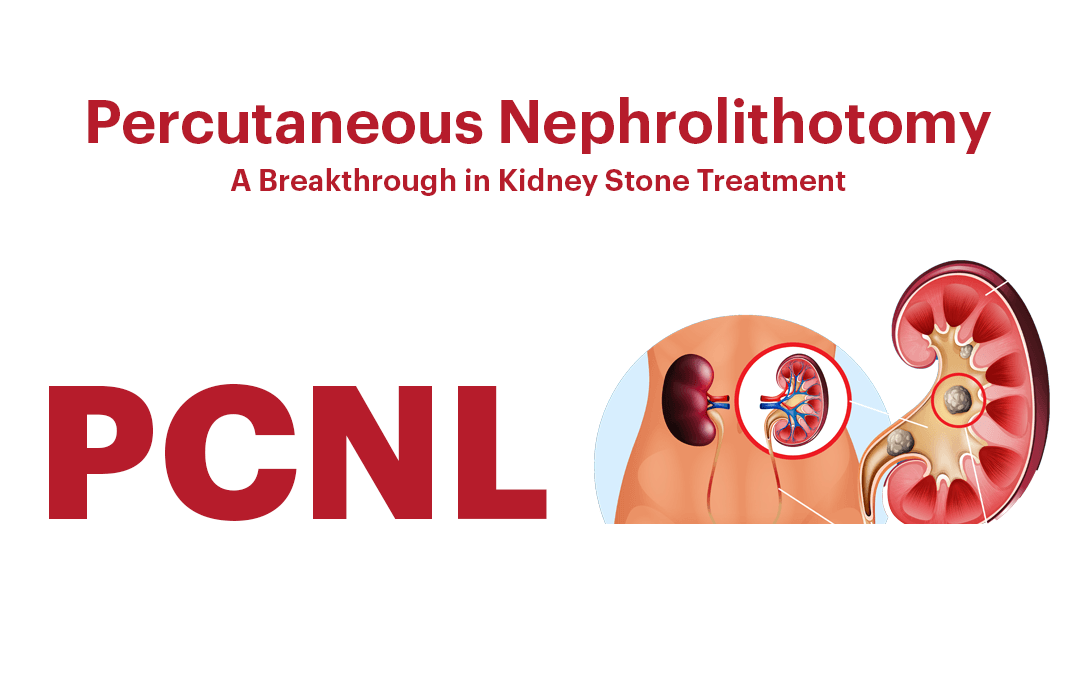
Percutaneous Nephrolithotomy (PCNL): A Breakthrough in Kidney Stone Treatment
Kidney stones, those small, hard mineral deposits that form in the kidneys, can cause excruciating pain and discomfort.

Skin Tags - Benign Tumor or Cancerous Tumor?
Skin tag if observed is a narrow stalk that hangs about your skin, bulging at the end. They are usually freshly colored and can grow anywhere on your body.

3 Ways Vitamin C is Helpful for the Immune System
The water-soluble vitamin, Vitamin C is also known as ascorbic acid. It is helpful in building up the blood vessels, skins, and making bones stronger

4 Signs of Mental Illness
As life has gotten fast and hectic, different health issues have got introduced lately. Not just physical issues,

4 Ways Night-Shifts Can Be Dangerous For Your Menstruation And Ovulation
A good night's sleep is of value for pregnant women. But with strenuous work-hours and shift work, sleep can quite a luxury for all.

Causes Of Infertility in Women
More and more women are putting off pregnancy till well into their 30’s or early 40’s for career reasons; infertility is fast becoming a major heartbreaking issue for such couples.

Do Not Indulge in These 9 Common Dieting Mistakes
Dieting is not just about eating less or starving yourself to meet unrealistic goals. Healthy dieting involves making informed food choices.
Laryngeal Reiinervation Procedure at KIMS Hospital
Mr. K.P 56-year-old business executive from Bangalore underwent a thyroid surgery two years back.

Learn How Stress Affects Your Heart Health
Stress is a frequent side effect of the modern 21st Century lifestyle. We’re always running around to meet deadlines, pay bills we tend to

Lose Weight: The Healthy Way
Almost everyone we know is worried about the way they look. There are several concerns people have, like their complexion