

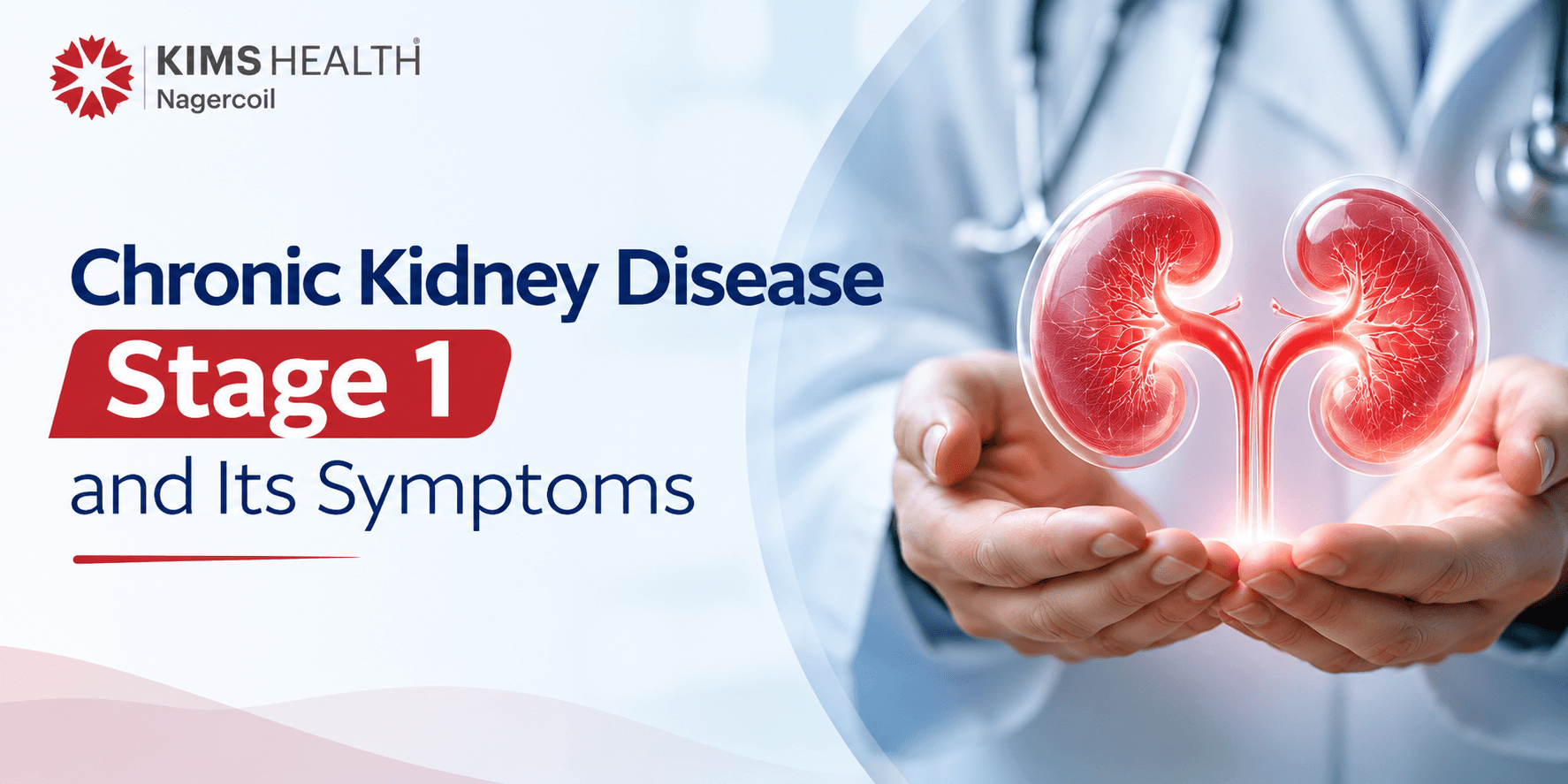
Chronic Kidney Disease Stage 1 and Its Symptoms
Dr. J Maria Alex Babu
KIMSHEALTH Nagercoil
Nephrology
Chronic Kidney Disease Stage 1 and Its Symptoms
Chronic Kidney Disease Stage 1 can have no symptoms. Most people will feel fine, and therefore many may be unaware of having this condition. However, basic blood and urine tests can identify kidney damage.
What is Chronic Kidney Disease Stage 1?
eGFR (estimated glomerular filtration rate) is used to help determine kidney issues. Essentially, it indicates how well the kidneys are filtering the blood. Stage 1 Chronic Kidney Disease requires blood tests showing an eGFR of 90 or greater, and there needs to be kidney damage for at least 3 months. An eGFR of 90 or above does not necessarily mean you have kidney disease. As stated by the National Kidney Foundation, the damage must be ongoing. Therefore, it is impossible to diagnose from just one test.
Why Stage 1 Often Feels Silent?
The kidneys have good capacity to work, so even with some damage, they will still filter well. This means the body will adapt and you will not feel any different. Symptoms will only begin once the kidney function has dropped significantly. Therefore, it may not cause any obvious symptoms.
Possible Signs Linked to Kidney Damage
Some people may experience symptoms related to the cause of their kidney damage.
• Foaming in the urine may indicate albuminuria, meaning there is too much albumin (a protein) in your urine.
• Blood in the urine.
However, many people won’t experience any symptoms. Many other conditions can cause these symptoms. Fatigue, itchiness, nausea, major swelling and significant changes to urination are more common in later stages. Therefore, it is impossible to diagnose kidney disease from a list of symptoms. Tests are required.
Key Tests
The two main tests are blood tests to determine your eGFR. Urine tests are also used to check for albumin. This will show the ratio of albumin to creatinine (waste product) in your urine (uACR). If the uACR is 30 or more, this may indicate albuminuria.
As Chronic Kidney Disease Stage 1 rarely presents with any warning signs, tests are the best way to identify it. Often, doctors will carry out these two tests again after a few weeks to check whether the damage persists.
Risk Factors & Management
Some people may be more at risk of developing kidney disease. This includes diabetes, high blood pressure, heart disease and family history of kidney issues. If you have any of these, talk to your doctor about regular screening. Care at this stage focuses on the underlying cause and regular monitoring.
When to See a Doctor?
If you receive abnormal test results, or have ongoing foaming in your urine or blood in your urine, talk to a doctor. You should also see a doctor if you have ongoing changes to your urination.
At KIMS HEALTH Nagercoil, Our Consultant Nephrologists are available at your service.
Related Blogs



Infant hydrocele - Swelling in Your Baby Boy’s Scrotum: Will It Go Away or Need Surgery?
Doctor, my baby boy’s scrotum looks swollen. He is feeding well and seems comfortable, but I’m worried. Is this normal? Will he need surgery?”



Heart Attack Symptoms: Recognising the Early Warning Signs
Learn the early warning signs of a heart attack and when to seek urgent medical help.

Top 10 Skin Care Tips in 2026
If your skincare goals for 2026 include glowing, radiant skin, you’re definitely not alone. With so many products and routines out there, it can get confusing trying to figure out what actually works.

Ten Effective Remedies That You Can Refer to When You Are Suffering from Muscle Cramps
Finally starting off with the gym life can get too overwhelming until you hit those muscle cramps along with the weights.

ICSI(Intra Cytoplasmic Sperm Injection)
Normally during every mid-menstrual period, one of the 2 ovaries releases an ovum. Each ovum is covered by a membrane called follicle,

Pregnancy and Delivery Care
Nothing could possibly compare to the joy of becoming a parent. After nine long months of waiting, the moment you have been waiting for is almost there:
Some Common Causes of Chest Pain
The first thing that jumps into the mind whenever you have some sort of chest pain is heart attack! It’s only human to feel that way

Organic Food Vs GMO Food: What Should You Pick?
There is no doubt that the quality of food we consume is crucial for our good health. And with more people becoming health conscious the d

Importance of Breastfeeding and Vaccinations for Newborns
Going nature’s way is best when it comes to providing nourishment for the apple of your eye – your baby. Breast milk is best for your baby as it
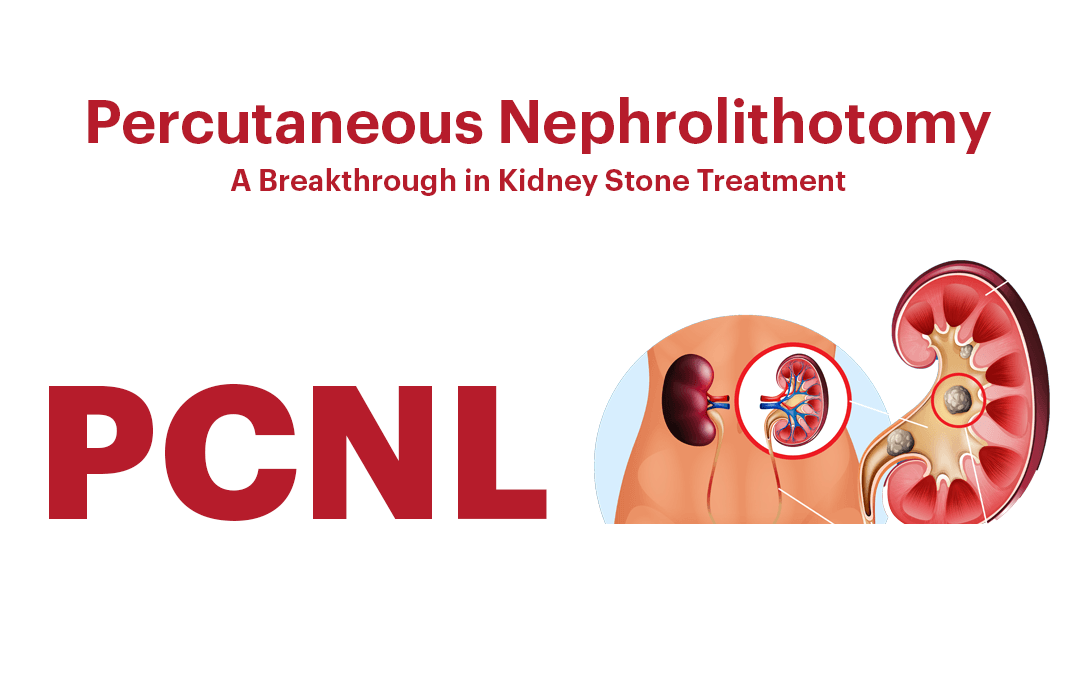
Percutaneous Nephrolithotomy (PCNL): A Breakthrough in Kidney Stone Treatment
Kidney stones, those small, hard mineral deposits that form in the kidneys, can cause excruciating pain and discomfort.

Skin Tags - Benign Tumor or Cancerous Tumor?
Skin tag if observed is a narrow stalk that hangs about your skin, bulging at the end. They are usually freshly colored and can grow anywhere on your body.

3 Ways Vitamin C is Helpful for the Immune System
The water-soluble vitamin, Vitamin C is also known as ascorbic acid. It is helpful in building up the blood vessels, skins, and making bones stronger

4 Signs of Mental Illness
As life has gotten fast and hectic, different health issues have got introduced lately. Not just physical issues,

4 Ways Night-Shifts Can Be Dangerous For Your Menstruation And Ovulation
A good night's sleep is of value for pregnant women. But with strenuous work-hours and shift work, sleep can quite a luxury for all.

Causes Of Infertility in Women
More and more women are putting off pregnancy till well into their 30’s or early 40’s for career reasons; infertility is fast becoming a major heartbreaking issue for such couples.

Do Not Indulge in These 9 Common Dieting Mistakes
Dieting is not just about eating less or starving yourself to meet unrealistic goals. Healthy dieting involves making informed food choices.
Laryngeal Reiinervation Procedure at KIMS Hospital
Mr. K.P 56-year-old business executive from Bangalore underwent a thyroid surgery two years back.

Learn How Stress Affects Your Heart Health
Stress is a frequent side effect of the modern 21st Century lifestyle. We’re always running around to meet deadlines, pay bills we tend to

Lose Weight: The Healthy Way
Almost everyone we know is worried about the way they look. There are several concerns people have, like their complexion

Myths About Bariatric Surgery
Bariatric surgery – be it the gastric bypass and other weight-loss surgeries – involve making changes to your digestive system to help you lose weight.