
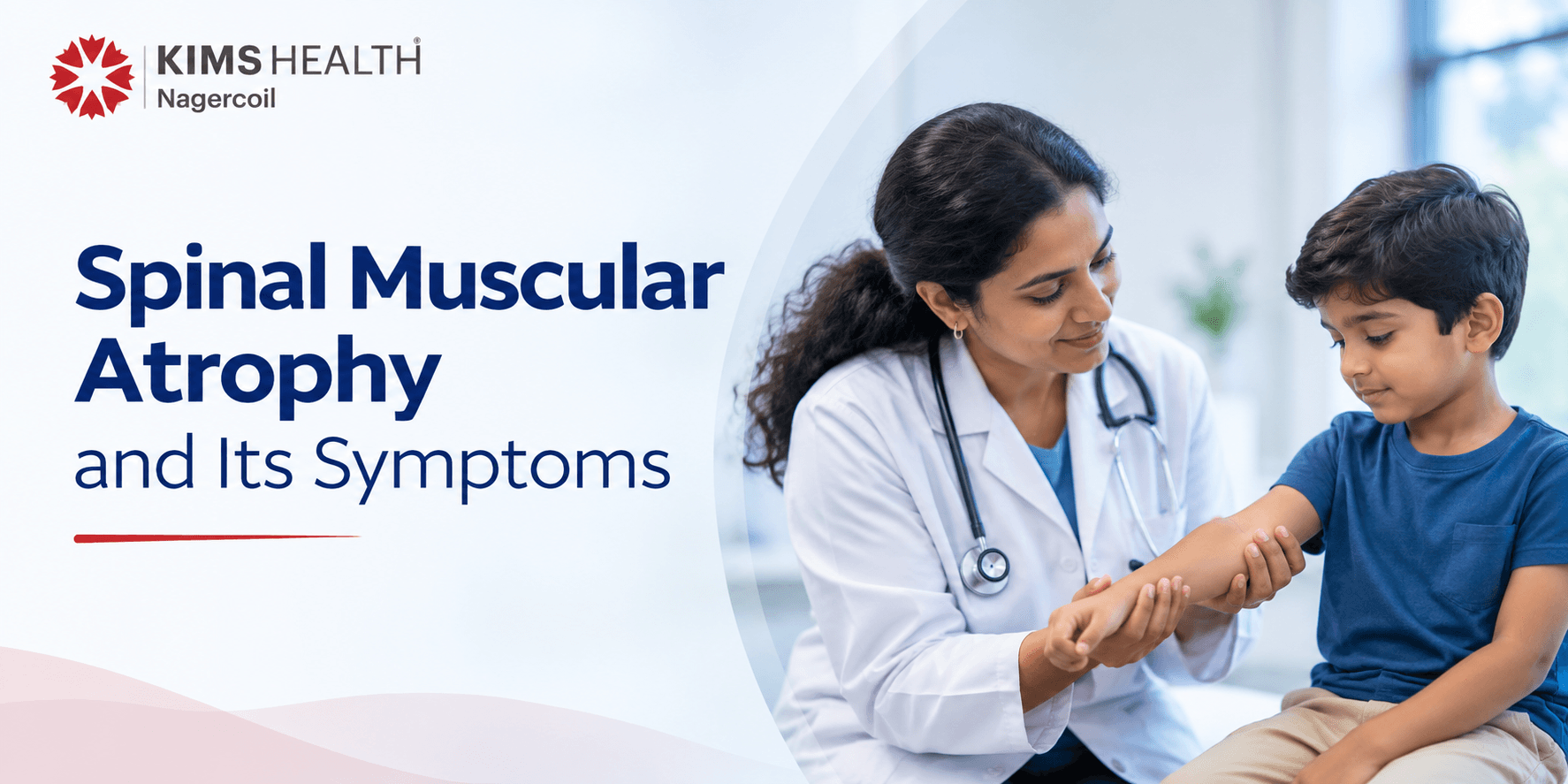
Spinal Muscular Atrophy and Its Symptoms
Spinal Muscular Atrophy is a genetic condition that causes progressive muscle weakness. This happens because the motor nerves in the spinal cord have difficulty transmitting signals. Everyone will experience SMA differently.
Why Symptoms Differ?
Spinal Muscular Atrophy has been divided into types by doctors based on when symptoms start to occur and developmental milestones. The earlier the symptoms start occurring the more severe muscle weakness will be. However, there is a secondary gene called SMN2, extra copies of this gene usually results in less severe symptoms.
SMA Symptoms by Age and Type
Infantile (Type 1)
This type usually occurs in the first 6 months. Infants often have low muscle tone causing them to appear very floppy. They will struggle to hold their head up and often have their legs in frog leg position.
Toddler (Type 2)
Symptoms of type 2 usually occur between 6-18 months. Often children will be able to sit independently but will not be able to stand or walk. Parents often notice they aren’t able to stand as early as they should.
Childhood (Type 3)
Type 3 occurs once a child is walking independently. Parents often report their child is falling often, being clumsy or having difficulty with stairs. An example could be needing to press down on their knees to stand up from the floor.
Adult (Type 4)
Symptoms of type 4 will usually occur in early adult life. Usually they won’t be too severe and mainly affect their legs. This will make climbing stairs and getting up from low seats difficult however their life expectancy will be normal.
Other Health Issues
Other health issues may occur due to muscle weakness. Weak core muscles can cause scoliosis, a condition in which the spine curves sideways. Joints can become stiff reducing mobility. They may also have a weak cough, making it harder to clear mucus from their lungs and increasing the risk of chest infections. They can also struggle to chew or swallow.
When to Seek Medical Attention?
If you notice any of the following symptoms seek immediate medical attention.
• Rapid, difficult or noisy breathing
• Stopping breathing or blue lips
• Choking or coughing whilst feeding
• Food or saliva sitting in mouth
• Not gaining weight well or refusing meals
Similar Symptoms
Just because someone is showing signs of weakness and delayed milestones doesn’t mean they have Spinal Muscular Atrophy. Often these symptoms can also be caused by muscular dystrophies, infections or simply developmental delay. Only a genetic blood test and medical examination can confirm SMA. Treatment Options
There are many treatment options available now. Disease-modifying treatments, gene replacement and supportive treatments are available to help with breathing, movement and nutrition.
If you have any concerns regarding your child’s physical development or muscle strength, our paediatric and neurological specialists at KIMSHEALTH Nagercoil will carry out thorough investigations to provide a tailored treatment plans.
Related Blogs


Infant hydrocele - Swelling in Your Baby Boy’s Scrotum: Will It Go Away or Need Surgery?
Doctor, my baby boy’s scrotum looks swollen. He is feeding well and seems comfortable, but I’m worried. Is this normal? Will he need surgery?”



Heart Attack Symptoms: Recognising the Early Warning Signs
Learn the early warning signs of a heart attack and when to seek urgent medical help.

Top 10 Skin Care Tips in 2026
If your skincare goals for 2026 include glowing, radiant skin, you’re definitely not alone. With so many products and routines out there, it can get confusing trying to figure out what actually works.
Ten Effective Remedies That You Can Refer to When You Are Suffering from Muscle Cramps
Finally starting off with the gym life can get too overwhelming until you hit those muscle cramps along with the weights.

ICSI(Intra Cytoplasmic Sperm Injection)
Normally during every mid-menstrual period, one of the 2 ovaries releases an ovum. Each ovum is covered by a membrane called follicle,

Pregnancy and Delivery Care
Nothing could possibly compare to the joy of becoming a parent. After nine long months of waiting, the moment you have been waiting for is almost there:

Some Common Causes of Chest Pain
The first thing that jumps into the mind whenever you have some sort of chest pain is heart attack! It’s only human to feel that way

Organic Food Vs GMO Food: What Should You Pick?
There is no doubt that the quality of food we consume is crucial for our good health. And with more people becoming health conscious the d

Importance of Breastfeeding and Vaccinations for Newborns
Going nature’s way is best when it comes to providing nourishment for the apple of your eye – your baby. Breast milk is best for your baby as it
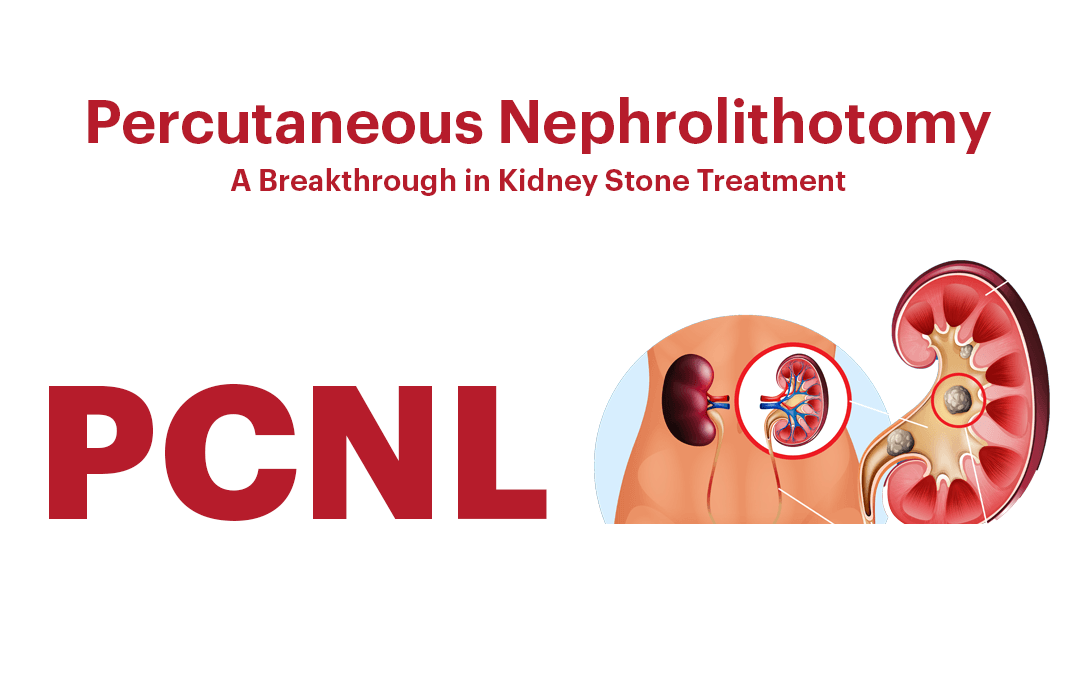
Percutaneous Nephrolithotomy (PCNL): A Breakthrough in Kidney Stone Treatment
Kidney stones, those small, hard mineral deposits that form in the kidneys, can cause excruciating pain and discomfort.

Skin Tags - Benign Tumor or Cancerous Tumor?
Skin tag if observed is a narrow stalk that hangs about your skin, bulging at the end. They are usually freshly colored and can grow anywhere on your body.

3 Ways Vitamin C is Helpful for the Immune System
The water-soluble vitamin, Vitamin C is also known as ascorbic acid. It is helpful in building up the blood vessels, skins, and making bones stronger

4 Signs of Mental Illness
As life has gotten fast and hectic, different health issues have got introduced lately. Not just physical issues,

4 Ways Night-Shifts Can Be Dangerous For Your Menstruation And Ovulation
A good night's sleep is of value for pregnant women. But with strenuous work-hours and shift work, sleep can quite a luxury for all.

Causes Of Infertility in Women
More and more women are putting off pregnancy till well into their 30’s or early 40’s for career reasons; infertility is fast becoming a major heartbreaking issue for such couples.

Do Not Indulge in These 9 Common Dieting Mistakes
Dieting is not just about eating less or starving yourself to meet unrealistic goals. Healthy dieting involves making informed food choices.
Laryngeal Reiinervation Procedure at KIMS Hospital
Mr. K.P 56-year-old business executive from Bangalore underwent a thyroid surgery two years back.

Learn How Stress Affects Your Heart Health
Stress is a frequent side effect of the modern 21st Century lifestyle. We’re always running around to meet deadlines, pay bills we tend to

Lose Weight: The Healthy Way
Almost everyone we know is worried about the way they look. There are several concerns people have, like their complexion

Myths About Bariatric Surgery
Bariatric surgery – be it the gastric bypass and other weight-loss surgeries – involve making changes to your digestive system to help you lose weight.